(6)
(6)
 (55)
(55)
 (3)
(3)
 (1631)
(1104)
(1140)
(730)
(1005)
(330)
(643)
(221)
(446)
(309)
(207)
(460)
(166)
(63)
(125)
(190)
(103)
(116)
(170)
(188)
(97)
(64)
(178)
(70)
(1631)
(1104)
(1140)
(730)
(1005)
(330)
(643)
(221)
(446)
(309)
(207)
(460)
(166)
(63)
(125)
(190)
(103)
(116)
(170)
(188)
(97)
(64)
(178)
(70)
Argentine Ant Identification
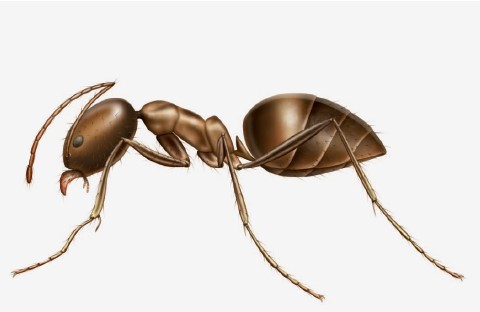
Although they don’t necessarily cause damage, Argentine ants can quickly take over a structure, and you might find them crawling all over the surfaces in your home. Argentine ants can create a nest almost anywhere. One colony can have several nest sites, which can extend into multiple structures. They often make nests in:
During the warm seasons, these ants thrive on the upper parts of trees and plants, feeding off the “honeydew” secretions from aphids and other honeydew-producing insects. Once the weather turns cool, they go in search for more stable environments (often indoors) and other food sources. They are not considered “picky” eaters, and while they prefer sweet honeydew, their dietary needs will change throughout the year, and they’ll feed on meats, fruits, dairy, animal fats, vegetable oils, garbage, carrion, and sewage.
Argentine ants can be tough to control because of their many possible nesting sites within one structure and property, making it difficult to pinpoint the infestation. However, prevention and proper technique and products can make it much easier to get rid of Argentine ants. Starting treatment and management steps in the spring and summer will help avoid late season populations and less chance the ants will invade your home once winter arrives.
Prevention: As with most outdoor and indoor insects, keeping the yard and landscape well groomed will cut back on a very wide variety of insect pests, including most ants. Keep all vegetation, like bushes and shrubs, trimmed and away from the structure, since the ants can gain easy access to your home this way. Clean up all leaf litter and yard debris to eliminate possible nesting sites.
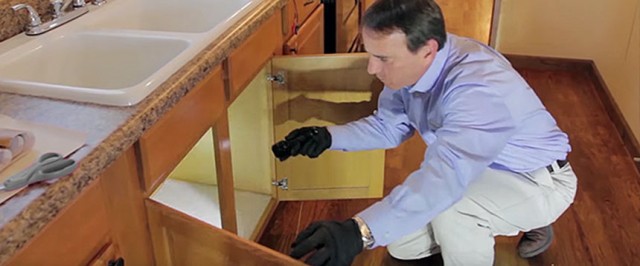
Inspection: Before you begin your Argentine ant treatment, begin with an inspection, thoroughly examining the interior and exterior of your home. Try to find the extent and location of the infestation, determine where chemical treatments can be directed, and try to find nest sites.
Chemical Control: There are several types of insecticides formulated to work on Argentine ants, and all work a bit differently to control these ants and each serves its own purpose. An integrated approach, or using multiple techniques, is the best way to control this type of ant.
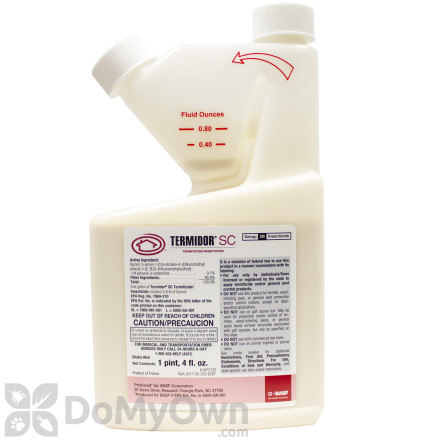
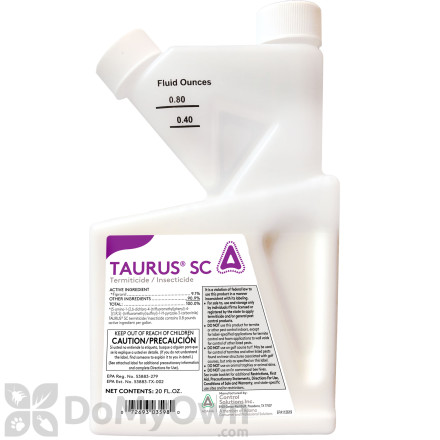
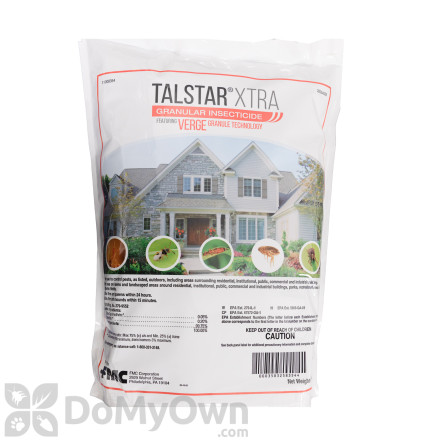
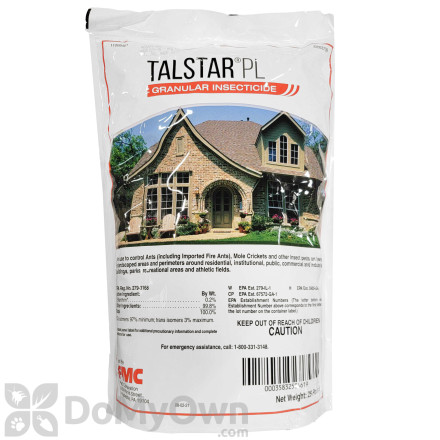
Liquid Insecticides: Use a spray product outdoors where ants are found nesting. Spray all around where ants can enter or have been found entering your home, like around doors, windows, wall and slab penetrations, etc. For outdoor applications, we recommend using Termidor or Fuse to create a protective barrier around your home. Spray a good barrier of Talstar Insecticide, Termidor SC, and Fuse around the perimeter of the home using a gallon sprayer. This will help prevent entry from argentine and little black ants in the future. A fan spray that is at least 3 feet high on the side of the building and 3 to 6 feet out on the ground will provide excellent protection.
Links:
Ant Control | Argentine Ant Control | How to Get Rid of Argentine Ants
Related Articles:
How to Get Rid of Argentine Ants
Argentine Ant Identification and Biology
For More Information
For more information in regards to do it yourself pest control products or ant control product recommendations, please feel free to contact a DoMyOwn.com representative.
Can't find the product you are looking for? E-mail us and we'll get it for you!
We sell professional do it yourself pest control (diy), exterminator and
extermination insecticide, pesticide, chemical and bug killer treatment
products to spray, eliminate and exterminate pests.
Many of our products are not available in stores
such as Home Depot, Walmart or Lowes.