Department

Testimonial

09/12/2011

"The product arrived quickly, was exactly what I ordered and was an excellent price. I have already recommended DoMyOwnPestControl.com to coworkers and friends."

James Adams
Irving, TX

More Testimonials »


Read our blog

Bed Bugs

Bed Bug Treatment & Control Products

Bed Bug Kits | How to Get Rid of Bed Bugs | Bed Bug Guide (pdf) | Bed Bug Guide - Espanol (pdf) | Bed Bug Inspection Guide

Hiring a bed bug exterminator can be very expensive, but we sell the exact same professional bed bug killer and control products that pest professionals use. Continue reading below the products on this page to learn how to kill and control bed bugs on your own. We recommend choosing a bed bug kit below to do complete a thorough bed bug treatment.

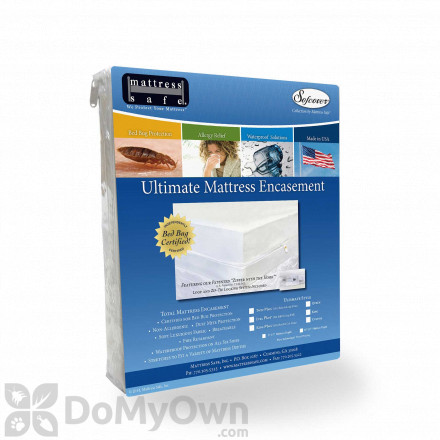
bed bug mattress cover
 

Bed Bug Kits
Bed Bug Kits
Bed Bug Mattress Covers
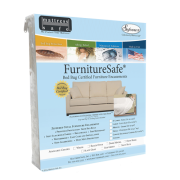
Bed Bug Couch Covers
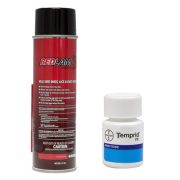
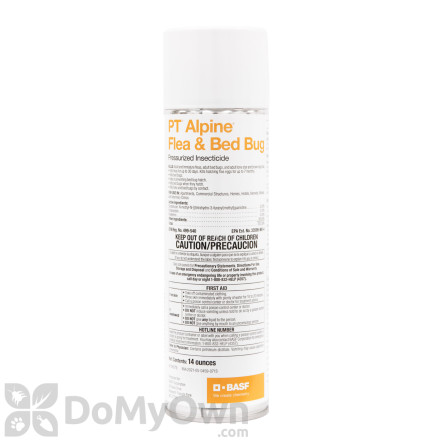
Bed Bug Spray
Bed Bug Spray
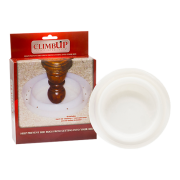
Bed Bug Traps
Bed Bug Traps
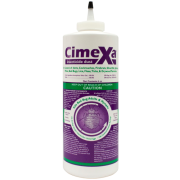
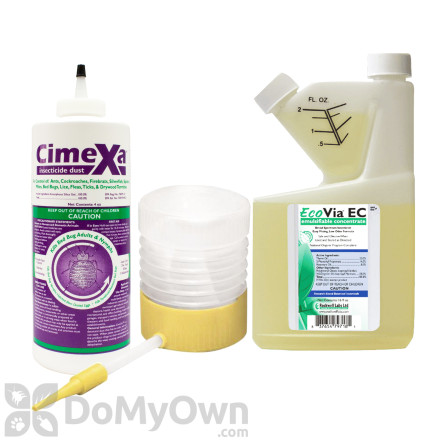
Bed Bug Dusts
Bed Bug Dusts
Bed Bug Vacuums
Bed Bug Vacuums
Bed Bug Heat Treatment
Bed Bug Steamers
Bed Bug Steamers
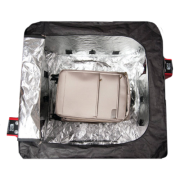
Bed Bug Travel Items

Bed Bug Kits - Professional bed bug kits for complete bed bug control.  
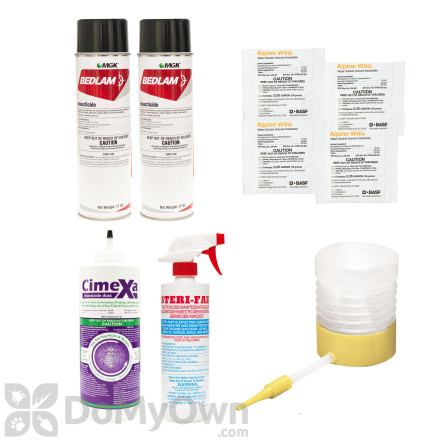
Bed Bug Kit #3
4.50 out of 5 stars (39)
$99.90
Free Shipping!
Treat 2-4 bedrooms completely, plus follow-up treatments.


Info / Buy Now

New York Bed Bug Kit
4.50 out of 5 stars (19)
$57.96
Free Shipping!
Bed Bug Kit for New York residents. Ideal for 1 or 2 bedroom apartments.


Info / Buy Now

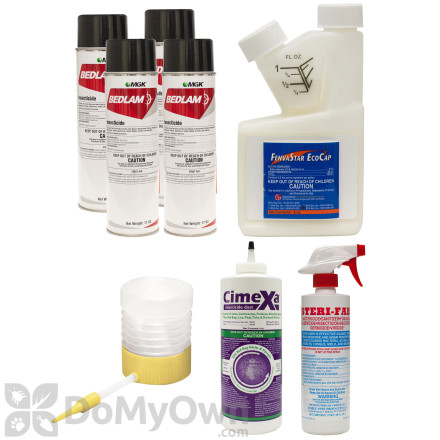
Bed Bug Kit #2
4.50 out of 5 stars (19)
$79.95
Free Shipping!
Treat 2 bedrooms completely, plus follow-up treatments.


Info / Buy Now


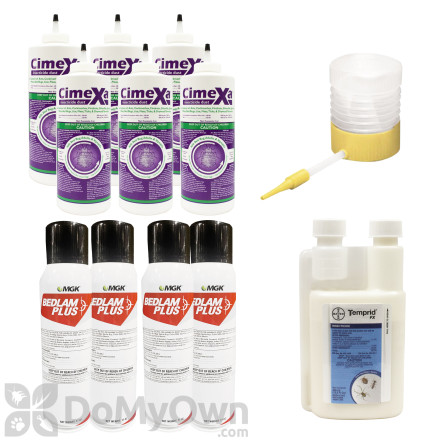
Bed Bug Kit Commercial
5 out of 5 stars (13)
$219.00
Free Shipping!
For Hotels, Apartment complexes, and treatments across several rooms


Info / Buy Now

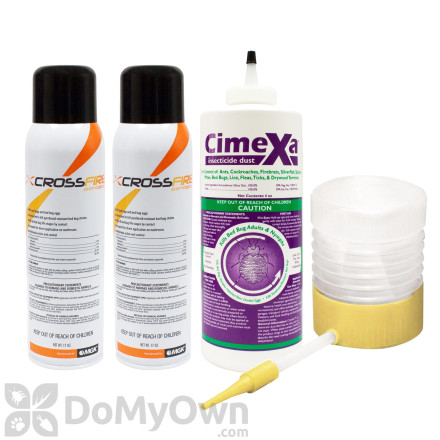
Bed Bug Kit #1
4 out of 5 stars (9)
$64.95
Free Shipping!
Contains no aerosols, so it can be sent express air to any US location.


Info / Buy Now

All Natural Bed Bug Kit
4 out of 5 stars (2)
$79.95
Free Shipping!
This All Natural Bed Bug Kit contains the safest products available for bed bug treatment and will treat 2 to 4 rooms.


Info / Buy Now


Bed Bug Know How - Articles and bed bug control tips from our experts.  

 Bed Bug New York
Daycare Bed Bug Tips
Bed Bug Biology
College Dorm Bed Bug Tips
Get Rid of Bed Bugs

Bed Bug FAQ
How To Do Your Own Bed Bug Inspection
How To Get Rid of Bed Bugs
How to Prevent Bed Bugs
Just Try To Sleep Tight. The Bed Bugs Are Back.

What Are Bed Bugs?

Bed Bugs are very small insects that feed on the blood of animals, specifically warm-blooded animals. While only about a quarter of an inch in size, Bed bugs can easily be seen by the human eye. Because they don’t fly, you will generally find them packed up together in some kind of nest, which is why they like people’s beds.

With the increasing number of bed bug bites and infestations across the world, many people are wondering how to prevent, control, kill, and quite simply, just get rid of them. Here you will find some of the best bed bug treatment and prevention products available today, as well as all the information and treatment guides you might need.

Bed Bug Infestations

Bedbugs have long been associated with filth and dirt, but any home or dwelling has the potential for bedbugs. They just need the right conditions and food sources to thrive. You will need to know the signs of a bedbug infestation, so here is what to look for and where to look for bedbugs.

Signs of Bed Bug Infestation:

Some of the signs of bed bugs include small blood stains or small, light brown skins found on bed sheets, headboards, walls, and other areas of a room. Look for these physical signs:

  • Tiny black spots (excrement) on linens or other objects that when wet will turn red, small red stains from crushed bed bugs, translucent light brown skin casings, live bed bugs that are rusty-red in color, about the size of an apple seed.
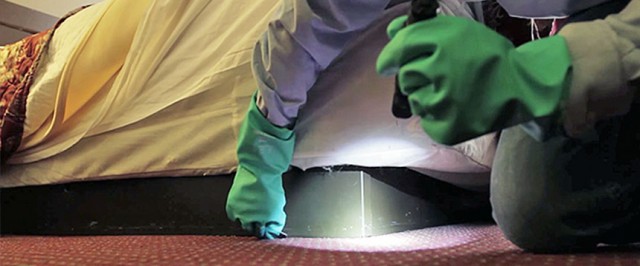
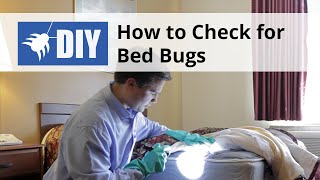
  • Typically, bedbugs like to stay as close as possible to their human hosts.  Look for dark fecal spots — digested human blood — or even the bugs themselves on bed sheets, in the seams of a mattress, between the mattress and box spring, in the crevices of a box spring, and in the corners of the mattress by the headboard.
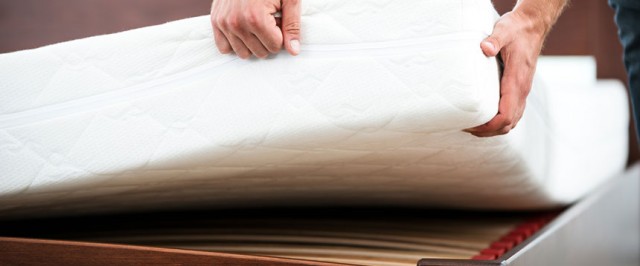
  • To thoroughly inspect your bedding, dismantle the bed and stand all of the components on edge so that upper and lower surfaces can be examined.
  • Nightstands and dressers should be emptied and examined inside and out, then tipped over to inspect the woodwork beneath. Often, the bugs will be hiding in cracks, corners and recesses.
  • Heavy infestations may have a musty or "buggy" smell, but the odor often isn't apparent and shouldn't be relied on for detection.

See our article about doing your own bed bug inspection for more information.

Bed Bug Control in Apartments, Hotels, and Homes

Since bed bugs do not fly, they are expert hitchhikers and can take fairly long journeys to find food and shelter. This makes hotels and apartments especially vulnerable to bed bugs. Here are some tips and things to keep in mind, both when living in an apartment and traveling.

  • Apartments: Bed bugs are quite common in apartments due to high occupancy and resident turnover rates. With all those people moving through one space, apartment dwellings are particularly vulnerable to bed bug hitchhikers moving in on infested furniture or other belongings. The infestation you suffer may have begun with a previous resident, or it could be that one of your neighbors has bed bugs and brought them over on a pant cuff. Bed bugs can also become a problem if you bring a lot of second-hand items into your apartment. Before moving in, inspect your new apartment very well. You may be able to get the landlord to take care of the infestation.
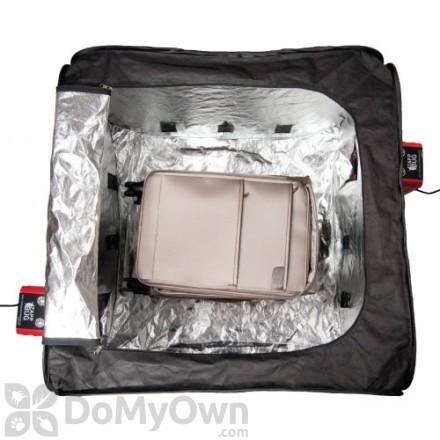
  • Hotels: Before checking in, read hotel reviews online. Multiple reports of bedbugs are a definite red flag. As soon as you check in to your hotel room, conduct a thorough inspection of all bed sheets and pillowcases, the mattress including seams and zippers, on and behind the headboard, around the bed frame, inside drawers, and behind wall hangings. Do not store luggage on the floor, but high up; use the luggage rack provided by most facilities. Seal items in large Ziploc bags, which creates an airtight bug barrier. Also be aware that bed bugs are small enough to work their way through zippers on most luggage bags. If you find any signs of bed bugs, you should request to be moved to a different room and then repeat the inspection in each new location. Unpack immediately upon arrival home, and do another thorough inspection.

How to Get Rid of Bed Bugs

Bed bugs are everywhere these days. While some areas have a greater concentration of bed bugs than others, infestations can be found almost anywhere and you need to be cautious, especially while traveling. Now that you have read our bed bug inspection guide, the next step in getting rid of bed bugs is two-fold:??

1.    Read our article, How to Get Rid of Bed Bugs
2.    Buy professional bed bug treatment products

With the increasing number of bed bug bites and infestations across the world, many people are wondering how to prevent, control, kill, and quite simply, just get rid of them. Well, if you’re one of many who want to know how to get rid of bed bugs, you have come to the right place.  Here you will find some of the best bed bugs treatment and prevention products available today. Getting rid of bed bugs doesn’t have to be expensive. The main objective of DoMyOwnPestControl.com is to save you money on pest control, including the more difficult pests like bed bugs.

Bed bugs are one of the most difficult pests to control and if you’re not careful, you may end up throwing your bed, couch, and other pieces of costly furniture, out the door. Don’t let it get to this point; buy our bed bug control products and prevent or kill those bed bugs before it’s too late.

Bed Bug Infestation Management

After you have inspected thoroughly, now you must get rid of your invaders. There are two key aspects to controlling bed bugs: non-chemical control to eradicate the bugs from your environment and chemical controls to break the lifecycle of the bed bugs and keep them from returning.

Non-Chemical Bed Bug Control

  • Vacuums. Using a vacuum to target infested bed bug harborages can be useful if it is done properly. Because bed bugs and their eggs cling tightly to surfaces, it is best to scrape the end of the vacuum repeatedly over the target area. Do not use a brush attachment, as some bed bugs and eggs will remain alive in the bristles and be transferred to other areas of the home. After vacuuming, the vacuum bag should be removed, sealed tightly in a garbage bag, and discarded immediately to control for bed bugs and eggs that may have survived the ride down the suction hose.
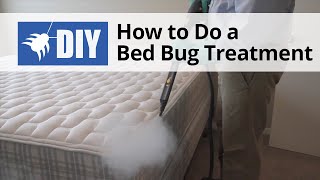
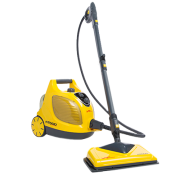
  • Steamers. Temperatures of 120 degrees F are lethal to bed bugs (as well as most other insects), and the use of a steamer at kills both bed bugs and eggs on contact. The best steamer to use for bed bugs is one that emits very little moisture and has a large brush head. Steam vapors should be too hot to touch to be effective, and the steamer head should be directly over the surface being treated. Finished wood surfaces or other items that might be damaged by high heat should not be treated with the steaming technique.
  • Washer & Dryer. When bed bugs manage to infest personal items such as bedding and clothing that cannot be treated with pesticides, a great non-chemical treatment is to wash and dry the items on the hottest possible setting. The typical dryer will reach up to 180 degrees F ten minutes into its cycle, a temperature that is lethal to bed bugs and their eggs. Other items that can be treated in the washer and dryer, or just the dryer alone include soft toys, rugs, backpacks, and footwear.
  • Disposal. The quickest and easiest non-chemical way to take a sizeable chunk out of a bed bug population is to throw out infested items. Before discarding infested items, always bag or wrap them to prevent dislodgement of bed bugs on the way to the dumpster.
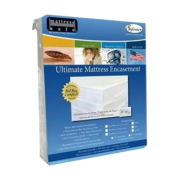
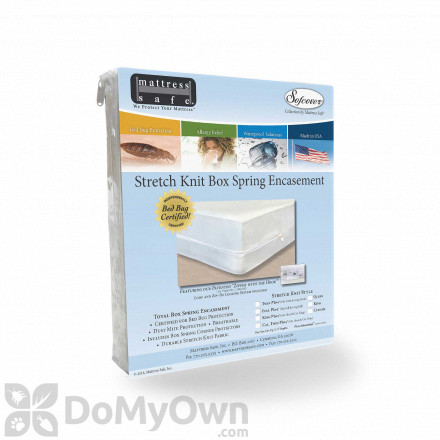
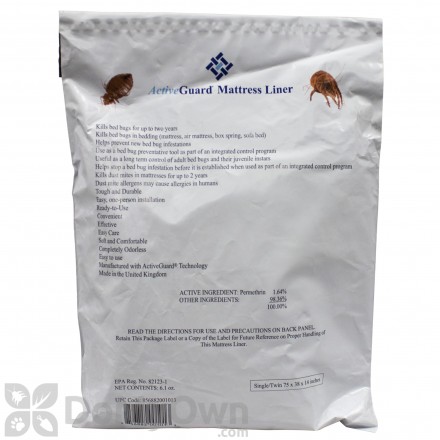
  • Encasement. If an old infested bed is to be kept, your best non-chemical method of control is to place a smooth, tight-fitting, hardy cover over your old mattress. This is known as encasement. Encasing the mattress and box springs prevents an infestation from growing by denying bed bugs access to the hard-to-treat inner areas. You will easily be able to spot and remove new clusters of bed bugs on the smooth cover, and bed bugs that happen to be inside the cover become entombed and will eventually die.
  • Elimination of Harborages. As available harborages are limited, the bed bug population becomes stressed. Bed bugs will have to travel greater distances in order to find suitable environments to occupy, and will be exposed to more pesticides in the process of pilgrimage. Eliminating harborages include using caulk or other sealants to close off cracks, crevices, gaps around plumbing and ductwork, and other entry points near floors, walls, and ceilings. Clutter (stacks of books, papers, boxes, piles of clothing, etc) should also be eliminated, since these also provide favorite bed bug harborages.

Chemical Bed Bug Control

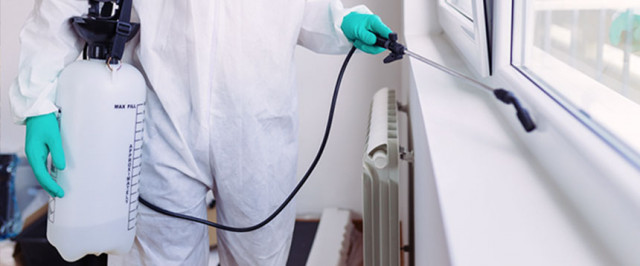
To achieve the maximum level of control, it will be necessary to incorporate some form of pesticide use as part of the overall approach to bed bug management. Think of pesticides as the powerful punch of your program. When applying pesticides, be sure to treat all surrounding areas to the infestation, in addition to the source itself, including wall voids between infested rooms.

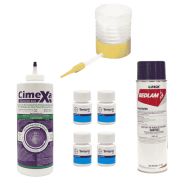
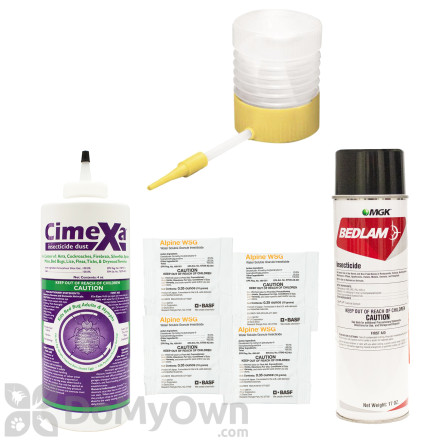
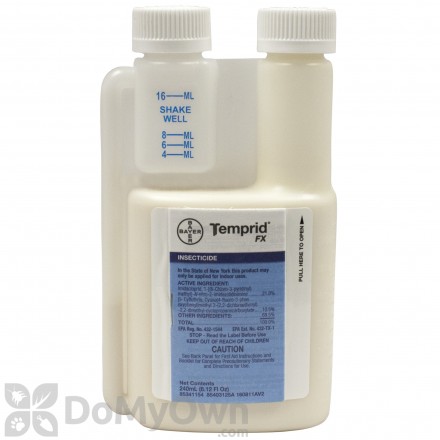
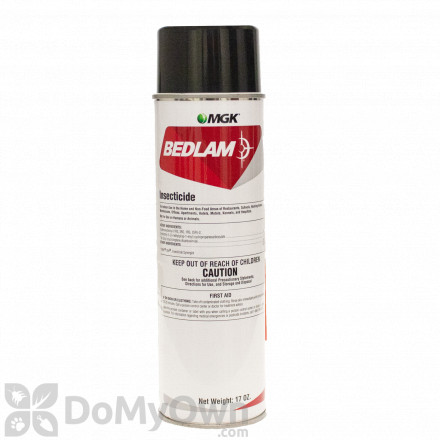
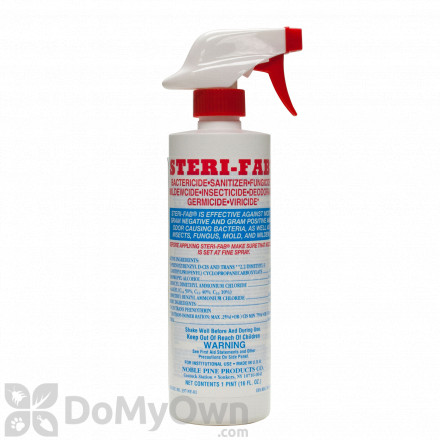
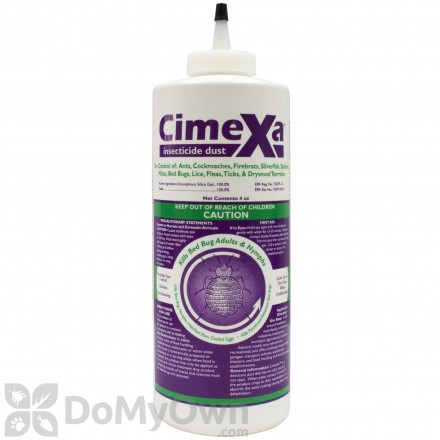
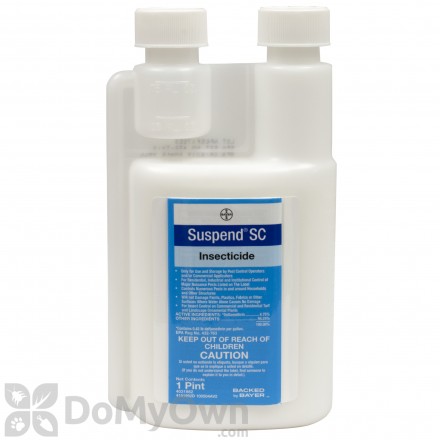
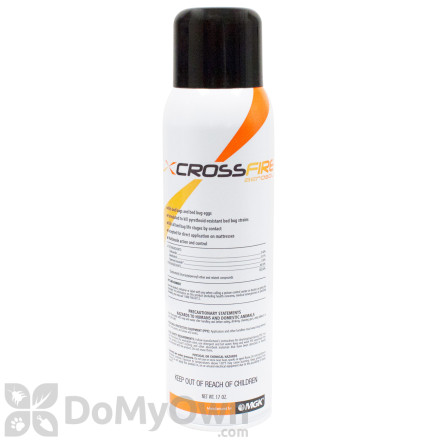
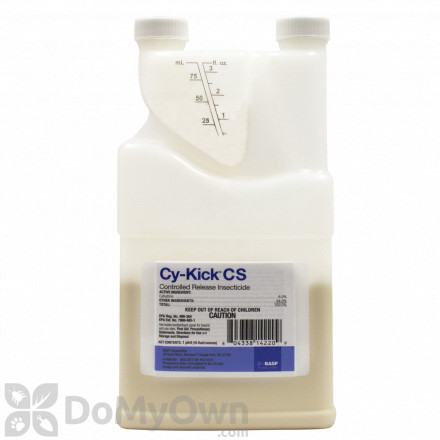
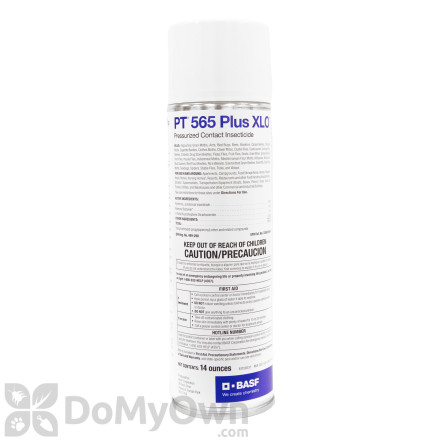
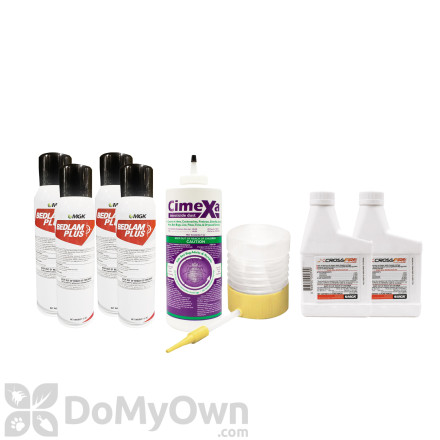
Product Recommendations: To get rid of bed bugs effectively we'd recommend purchasing at least one of each type of product below for a complete bed bug control treatment. Don't forget to purchase enough for a follow-up treatment in two weeks:

Follow-Ups to Control Measures

The final step in bed bug management is the most important. You will probably see a significant improvement after the initial treatment and implementation of the steps in this program. Complete bed bug elimination takes patience, persistence, and time. Following an initial treatment and implementation, you should continue to actively inspect on a regular schedule (every 2 or 3 weeks) to monitor bed bug populations. Non-chemical and chemical control will likely need to be repeated on a bi-monthly to monthly basis until all signs of infestation disappear completely.

Bed Bug Description and Life Cycle

Physical:

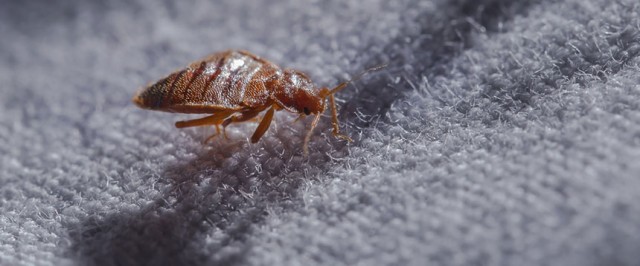
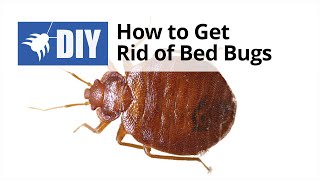
Bed bugs are oval in shape, wingless, and rusty red or mahogany in color. They are only about 1/4 inch long with flattened bodies on well-developed antennae, small eyes, and a widened area behind the head area. The nymphs, or underdeveloped younger generations, look similar to the adults except they are smaller in size and lighter in color.

Feeding habits:

Bed bugs do not burrow under your skin to feed, but use piercing, sucking mouthparts to gain access to blood. When they feed, they inject their saliva into skin, causing allergic reactions and skin irritation, much like mosquitoes. However, their bites are often not felt at the time.

Bed bugs are attracted to the heat, moisture, and carbon dioxide emitted from their chosen hosts. They feed every three to four days, and one feeding can take anywhere from 5 to 15 minutes. Bed bugs can survive a few months without food, remaining dormant until they find a host. While they are often associated with dirty places and disease, bed bugs have not been found to carry or transmit any diseases.

Life cycle:

Bed bugs go through what is called “gradual metamorphosis,” meaning they will go through progressively larger stages and require a blood meal to molt into the next nymph stage before reaching adulthood. The entire life cycle can take between five weeks to four months, depending on conditions and food sources available. Adult bedbugs can live for up to ten months. When you do an inspection, you won’t find any pupae- just eggs and various sizes of bedbugs. Females will reproduce as long as they are able and can lay up to 500 eggs in a lifetime. They lay eggs in the same place they harbor. 

Can You See Bed Bugs?

Yes, you can see bed bugs. An adult bed bug is about the size of an apple seed, making it easily visible to the naked eye. See our bed bug inspection guide above for more information about what bedbugs look like and how to find them.

Bed Bug Map

U.S. States With The Worst Bed Bug Problems

The graphic below is a bed bug map that lists the order of which U.S. States have been searching online for bed bug control the most in 2012.

Top U.S. Bed Bug States in 2012
                         (click to enlarge)

Bed Bug Pictures

So what do bed bugs look like? Check out some of these pictures of bed bugs:

bed bugs on penny size comparison picture

bed bugs picture 1

Some of the signs of bed bugs include small blood stains or small, light brown skins found on bed sheets, headboards, walls, and other areas of a room.
 

Bed Bug Bite Time-lapse Video

Want to see what it’s like to have a bed bug bite you? Check out this video:

Bed Bug Bite Facts

Many people wonder whether or not bed bug bites are harmful. Do they hurt? Do they leave a rash? What are bed bug bites symptoms? The image below will show you what bed bug bites look like. The truth is that bed bug bites are generally not harmful, but the irritation from them can last for longer periods of time than other common insect bites, such as flea bites. The difference between a flea bite and a bed bug bite is the center. Flea bites create a red dot in the center. Bed bug bites do not. Visit our Bed Bug FAQ page for other common bed bug questions and facts.


Bed Bug Prevention Tips

  • While traveling, make sure to inspect hotel rooms thoroughly. Bring a good flashlight and inspect every part of the room, including behind headboards, dressers, and other furniture items.
     
  • Keep you baggage off the ground. If possible, store your suitcase up on a table or even in the bathroom area. Bed bugs are more likely to populate in dark areas with carpet or other kinds of soft material. Hotel bathrooms usually lack these kinds of fabric and are generally safer places to store your clothes and other belongings.
     
  • Wrap your belongings. Before returning home from a trip, place all of your belongings in some kind of plastic bag, or container and immediately wash them when you get home. Just like how a good bed bug mattress cover will physically keep bed bugs from getting in, a good plastic bag or container will prevent bed bugs from getting out of your items before they can be disposed of.
     
  • Bring one of our effective bed bug kits on your next trip. This kit contains everything you need to stay away from those little blood-suckers.


Related Products
Harmonix Insect Spray uses the botanical insceticide pyrethrins ...
Bonide Bed Bug Killer RTU is a great ...
The new product called the Bed Bug Beacon, ...
The Climb up Insect Interceptor XL is a ...


Can't find the product you are looking for? E-mail us and we'll get it for you!

We sell professional do it yourself pest control (diy), exterminator and
extermination insecticide, pesticide, chemical and bug killer treatment
products to spray, eliminate and exterminate pests.

Many of our products are not available in stores
such as Home Depot, Walmart or Lowes.