


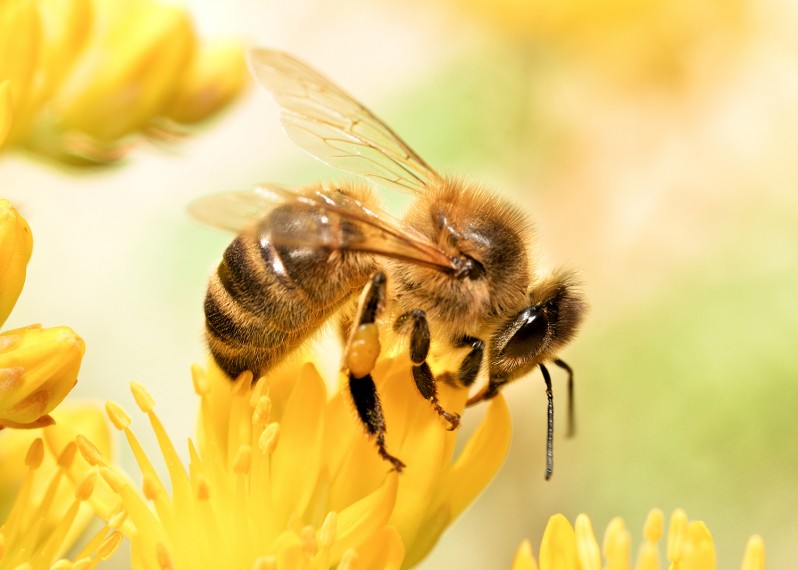
We all know that pollinators, like bees and wasps, are extremely important in the production of the majority of the fruits and vegetables we depend on. However, bees, especially honeybees, have been experiencing a population decline. You may have seen in the news that bees are disappearing or that honeybees are endangered, and this is most likely caused by various factors, like insecticide exposure, diseases, and parasites. Large numbers of bees are lost every year, so it is important to understand what you can do to help bolster the pollinator population and save the bees from more devastating losses.
Common Homeowner Threats To Bees
The biggest threat to bees from a homeowner is improper use of insecticides. All insecticides are dangerous to bees, but it doesn’t mean you have to stop using them. The key is to use them correctly, only when necessary, and with bees in mind.
How To Protect Pollinator Populations
Here are some tips to keep in mind if you want to keep the bees safe.
- The most important thing to remember is to never apply insecticides to plants that have open blooms. It is okay to continue to use insecticides, but apply before the plants have bloomed or after the flowers have fallen off.
- Bees are most active on warm (above 70 degrees) sunny, and calm days between 8 am and 5 pm. Bees are least active when temperatures are cooler (below 60 degrees) and generally in the evening and very early morning, and this less active time period is the optimal time to apply insecticides.
- Avoid using a systemic insecticide on flowering plants.
- If you see bees actively foraging in specific areas of your yard or favoring certain plants, avoid applying insecticides near these areas.
- Only apply pesticides when necessary.
How To Encourage Pollinators To Your Property
While concentrating on protecting bees and other pollinators, you can also welcome them to your garden and landscape. Creating an inviting environment for bees will help to keep them healthy and support larger populations. Here are some tips to consider:
- Choose plants that will offer enticing blooms to bees, including white clover, native flowering plants, and herbs like sage, basil, thyme, and mint. Try to avoid planting an abundance of hybrid flowering plants, which can lack pollen or nectar.
- Aim to have flowering plants all season long. Plan out your landscaping so there are always blossoms for bees to find.
- Planting flowering plants away from the house is ideal, bees will be directed there instead of around your family and pets. This will also let you apply barrier applications of insecticide near your home without interfering with bees and pollinators.
- If you have a greenhouse, you can actually purchase small hives of bees to help to support your crops, like the Koppert Natupol Excel Bumblebee Hive. It’s a great way to utilize nature’s pollinators while keeping a hive of bees healthy.