




- Bumble bees are sometimes confused with Carpenter bees.
- Both are large, about ½" to 1" long. The difference is that a bumble bee has a visibly "fuzzy" (hairy) abdomen with yellow or orange markings, while the Carpenter bee will have a hairless, smooth abdomen with no markings at all.
- Bumble bees make an audible buzzing sound while flying.
Behavior
Bumble bees are social insects and live in nests or colonies with other bumble bees. You may have noticed them in large numbers during the late summer months especially, when they are busy collecting pollen. In their nests, bumble bees produce both wax and honey (this honey is not considered edible like that of the honey bee). Bumble bees will naturally die off or disappear underground to overwinter (or hibernate) when colder weather arrives.
Habitat
Some common locations of bumble bee nests are: vacant rodent burrows; under piles of debris such as stones, leaves, logs, or grass clippings; and occasionally above ground in a shed, wall, attic, or crawl space. A mature bumble bee nest contains about 50 to 400 adult bees.
Damage
Bumblebees are relatively harmless when left alone and are naturally beneficial in the pollination of flowering plants. If disturbed, the bumble bee will likely sting, and may do so more than once. Bumble bees nesting too close to a home or recreational area should be removed or controlled, especially when children or people sensitive to bee venom are present.
Basic Bumble Bee Control Methods
1.) Prevent nest establishment by filling animal holes or burrows with dirt
2.) Keep bees outside of structures by repairing any holes in the exterior wall and making sure that all vents and windows have tight-fitting screens.
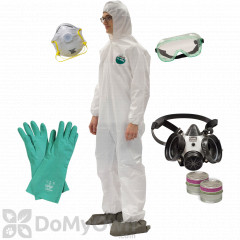
3.) Try to locate the nest by watching bees during the day and taking note of where they disappear into the landscape or structure. Then at night, wearing a bee veil and other protective clothing, apply D-Force HPX aerosol directly to the nest.
4.) Delta Dust Insecticide also works well and provides excellent coverage when applied in and around the nest. Delta Dust lasts 4 to 6 months and will result in a quick kill. Apply dust liberally using a hand duster (for easier application) and repeat in 3 to 4 months to control for newly hatched bees.
5.) Nests located inside the structure are best treated with Delta Dust. Be sure to leave the entrance open until the beginning of fall when hatching is sure to be completed. Then the entrance may be sealed to prevent further nest establishment.
View all Bee Control Products
For more detailed information on Bumble Bee prevention and control, see How To Get Rid of Bumble Bees.