



Overview
Inspection Tips

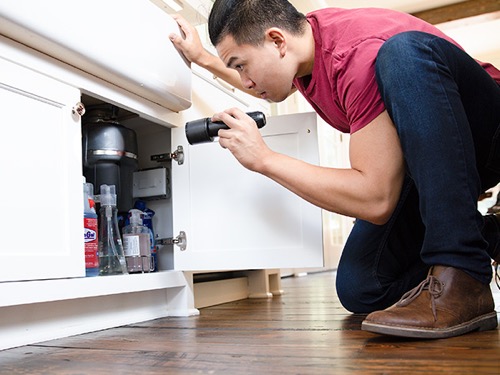
Carpenter ants can cause extensive damage in homes and other structures and they are also known to infest damaged trees. Finding the areas where carpenter ants are nesting can help you to get rid of the colony quickly. Here are some basic tips for Inspection:
- The best time for inspection is at night when carpenter ants are actively foraging.
- Do not give up inspection just because you have located a single colony; there may in fact be several colonies throughout the structure.
- Prime areas for inspection include any wooden structures where high moisture content is present, including: window and door frames, tub and well enclosure walls, kitchen and bath plumbing walls.
- The use of a flashlight will aid in locating trails and other signs of carpenter ant damage.
- Bright flashlight
Step
1
Indoor Inspection
Where to Look For Carpenter Ants in the House
Carpenter ants will typically infest wood that has come into contact with excess moisture from a leak or sweating pipes. When inspecting for Carpenter Ant infestations, the following may indicate a nearby colony.
- Frass/Debris - As carpenter ants bore their nests, they leave behind several piles of fibrous, finely shredded sawdust-like material called "frass" which is made up of wood shavings, soil, and insect parts.
- Wood Damage- Look for smooth, clean galleries and small windows or slit-like openings in infested wood as a sign of nesting. These slits acts as "garbage chutes" used to dispose of frass and other materials.
- Trails - Carpenter ants form tight, closely associated trails that can be traced to the nesting area. Look for trails along carpet edges, door frames, fence tops, etc.
- Sounds - In some cases you can identify a potential nest site by tapping against it with a screwdriver with your ear placed to the wall. Alarmed Carpenter Ants will make a faint clicking or rustling sound.
Potential Indoor Nesting Sites:
- Wall Voids
- Attics (under roofing and insulation)
- Flooring and sub flooring
- Ceilings
- Windows
- Skylights
- Hollow doors
- Dishwashers
- Trash compactors
- Plumbing, pipe chases
Step
2
Outdoor Inspection
Where to Look for Carpenter Ants Outside
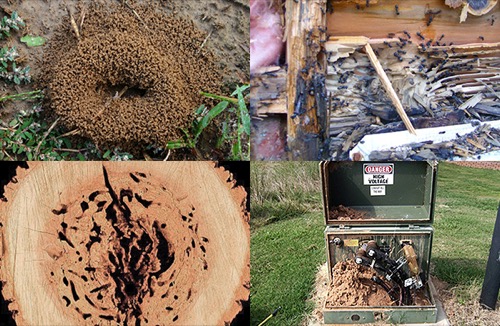
Ants are opportunistic by nature and can make a nest just about anywhere depending on the species of ant. You will be looking for the same frass, damage, trails and sound as you would if you were doing an indoor inspection. Here are some potential harborage sites:
- Trees
- Stumps/ dead trees
- Landscape timbers
- Woodpiles
- Fences
- Leaf litter, debris piles, mulch beds
- Door kick plates
- Window and door frames
- Utility entrances
- Trash containers