

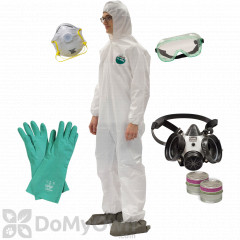

Eliminating a tick infestation will mean treating the 3 places ticks are most commonly found: your pets, your home, and your yard. We recommend you begin with your pets and then move on to your home, then your yard. Failing to treat all three areas will likely lead to failure and can result in an even worse infestation. Luckily, tick treatment follows the same steps no matter the tick type or species.
Read our guide below to learn how to treat for ticks. Not sure if you have a tick? Read our guide on what ticks look like to be sure you have the right pest.
Treat Your Pets for Ticks
The first step in getting rid of ticks is to treat the pets and animals that live on your property. When choosing a tick treatment for your pet, it is important to take their species, age, weight, and health into consideration. Always read the label of the product to be sure you can use it on your pet.
There are 5 ways to treat your pets for ticks: tick and flea drops, tick and flea sprays, insecticide baths, medicated collars, and preventative medication. Consult your veterinarian to determine which treatment path is best for your pet.
Spot-On Pet Tick Drops
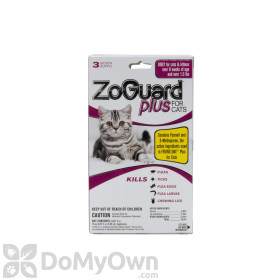
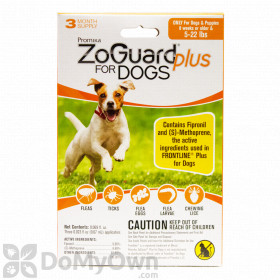
Spot-on products, also known as pet tick and flea drops, are a popular choice of tick treatment because they are quick and convenient to use and they do not cause much stress or disruption to pets. Tick and flea drops typically come in formulas for dogs and cats and should not be used on animals younger than 12 weeks old.
It is very important that you get the product directly on the animal's skin for it to work properly. Most spot-on treatments direct the user to part the pet's hair between the shoulder blades and squeeze out the entire contents directly onto the skin. Applying the product between the animal's shoulder blades will usually prevent the animal from licking the application spot.
Ticks will start to die within 24 hours of the application of drops. Some ticks may die while still attached to your animal. It is important to follow your veterinarian's instructions on how to remove ticks using tweezers. Most drop treatments should be reapplied every 4-6 weeks to maintain control. As always, consult the product label and your veterinarian to be sure a product is suitable to use on your pet.
Products needed for Step 1A


Give Your Pet a Tick Bath
A flea and tick bath with medicated shampoo will offer an immediate kill of the ticks that are on the animal. Be sure to read the label of the shampoo as many products have species or age restrictions, and therefore might not be suitable for your pet.
The downside to using a flea and tick medicated bath is that most animals hate bathing and can become stressed. It is important to note that flea and tick baths only kill the ticks that are on the animal at the time of the bath. Most shampoos do not prevent further infestations.
Some ticks may die while still attached to your animal. It is very important that you follow your veterinarian's instruction on how to remove ticks using tweezers.
Pet Tick Spray
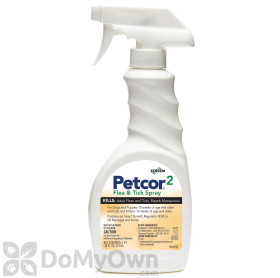
Tick sprays provide a quick kill of ticks and short-term protection against re-infestation. Tick sprays are also a good alternative for pets that are terrified of baths. Pet tick sprays are available in both aerosol cans and squirt bottles.
To use tick spray, read the product label to determine how much spray should be used for the size of your animal. Wearing gloves, spray the animal and rub the spray into the animal's coat. Some sprays may have a strong odor, which could upset the pet (or its owner!). The odor should disappear within a few hours.
As always, be sure to consult the product label for age and species restrictions.
Products needed for Step 1C

Tick Collars and Medication
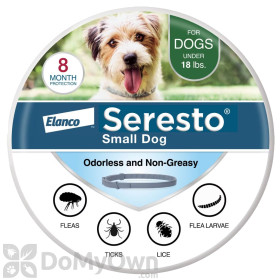
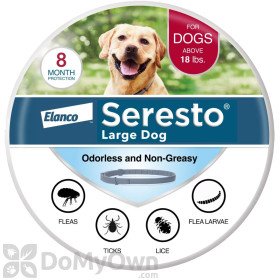
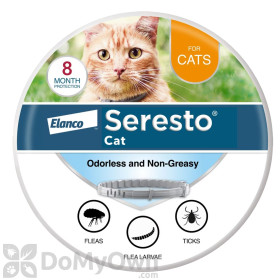
After treating your dog or cat for ticks, use a medicated collar. Flea and tick collars, like those from Seresto, provide 8 months of prevention and treatment against parasites like ticks. Ticks are eliminated within 48 hours of use.
Your veterinarian may also prescribe a monthly tick prevention medication for your pet. Contact your vet for more information.
Products needed for Step 1D
Indoor Tick Treatment
If you have spotted even one tick in your home, we highly recommend you treat for ticks. Depending on the severity of the infestation, it can take weeks or even months to fully eliminate ticks from the home. By using a mixture of insecticides, you can prevent re-infestation.
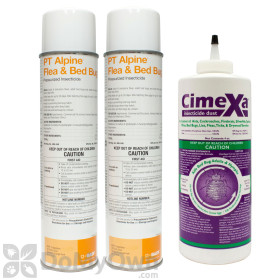
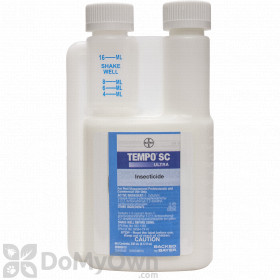
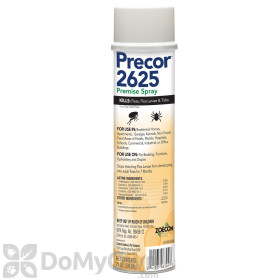
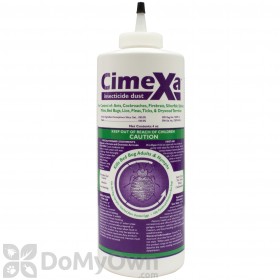
There are a variety of indoor tick products to choose from. Liquid insecticides, like Tempo SC Ultra, are often mixed with water in a sprayer and applied around door and window frames, along baseboards, and in hard to reach areas around the home. Aerosol insecticides, like Precor 2625 Premise Spray, are pre-packaged in an aerosol can and sprayed lightly across carpets, furniture, drapes, and pet bedding. Tick dusts, like CimeXa Insecticide Dust, are applied around door and window frames, in cracks and crevices, along baseboards, and in hard to reach areas such as under the sink, after an insecticide has been used to prevent re-infestation.
All tick treatment products are to be used on the cracks, crevices, and voids of your home and should not be broadcast sprayed along your floors or walls.
We highly recommend the addition of an Insect Growth Regulator, or IGR, to your indoor tick treatment plan. IGRs act as birth control for ticks, preventing immature ticks from reaching sexual maturity and repopulating. Some insecticides have an IGR built-in while others require the addition of an IGR when mixed with water in a sprayer. Read the label of your product to determine if an insecticide includes an IGR, or give our customer service team a call at 1-866-581-7378 to learn more.
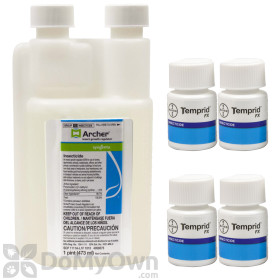
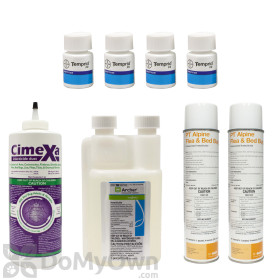
Use at least 1 insecticide and 1 IGR, if not all of the product types mentioned above, to control ticks indoors. Or, purchase an indoor flea and tick kit to receive the products you need in one discounted package.
Remember, ticks are biologically programmed to climb upward to look for their next host. Keep this in mind when treating your home. Be sure to check the backs and arms of furniture when treating for ticks.
Re-treat as often as the product labels indicate until there are no more signs of ticks in the home. It may take several treatments to eliminate ticks from the home so have patience and be diligent.
Products needed for Step 2
Outdoor Tick Treatment
We recommend using two products to combat ticks in your yard, a liquid insecticide and an insect growth regulator, or IGR. The liquid insecticide will kill adult ticks while the IGR will prevent immature ticks from reaching sexual maturity and reproducing, preventing a re-infestation.
We have assembled an outdoor flea and tick kit to make selecting and purchasing the right products for the job easy and convenient. Click here to learn more.
To treat your yard for ticks, mix an insecticide with an IGR in a sprayer and add water. Follow the instructions on the labels of the products for the correct water-to-product ratio. Be sure your products are labeled for use on ticks. If you have any questions about which products can be used with ticks, give our customer service team a call at 1-866-581-7378.
Next, spray your yard. You cannot spot treat for ticks outdoors. Instead, you need to spray down the entire yard. Don't forget to spray the grass, bushes, any tall brush or brambles, plants (both on top and the underside of the plant), yard debris, mulch and pine straw, and retaining walls. Be sure to keep pets and children out of the yard until the solution dries.
If you are treating a dense bush or patch of grass, you will need to use more water with the same concentration of the insecticide and IGR mix to ensure you will be able to treat the entire area. Consult product labels for the correct water-to-product mixture.
Outdoor tick treatments do not work overnight. You should see a reduction in ticks a few weeks after you first spray. We recommend repeating treatments every 30 days throughout the season to ensure you catch ticks that were missed during your first spray and to prevent re-infestation. Remember, the time of year and length of tick season varies depending on where you live. Consult your local extension office to learn how long tick season lasts in your state.
Pro Tip
By identifying what types of ticks live in your yard, you can better understand what animals may be bringing ticks onto your property. With this knowledge, you can make your yard less hospitable to these host animals.
If you are unable to identify the ticks on your property, you can call your local cooperative extension office. For a small fee, they will be able to identify the ticks that live on your property.