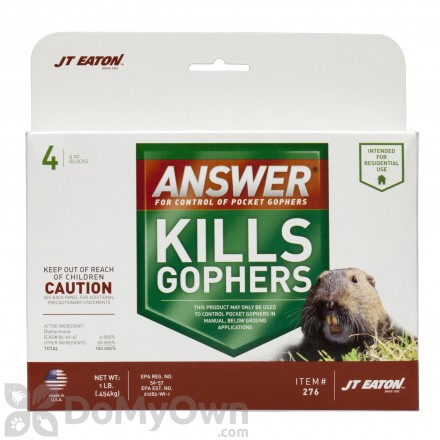
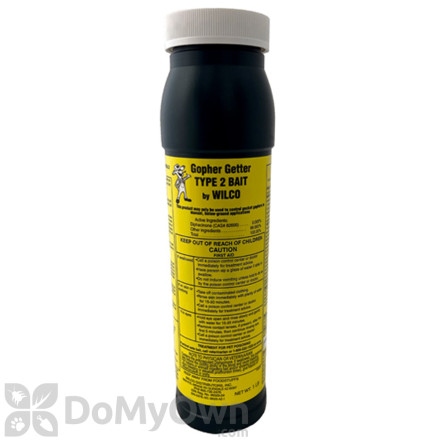
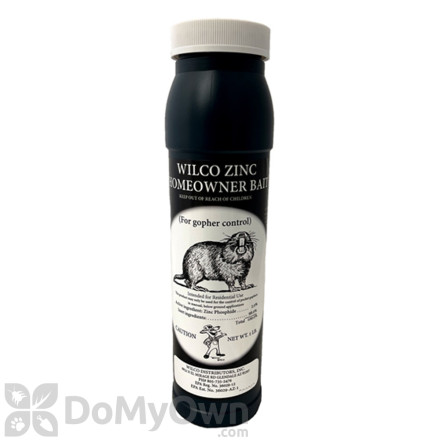
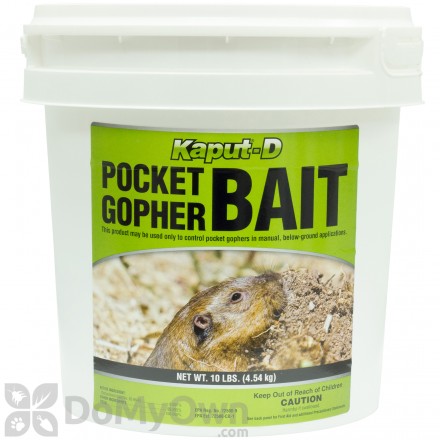
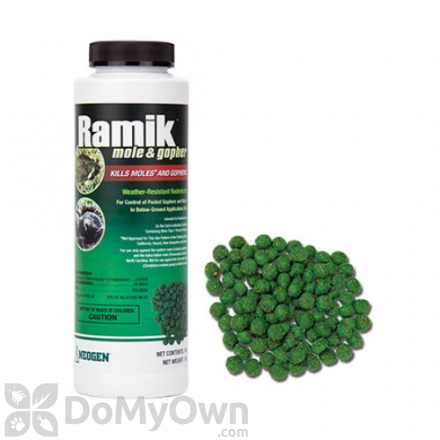
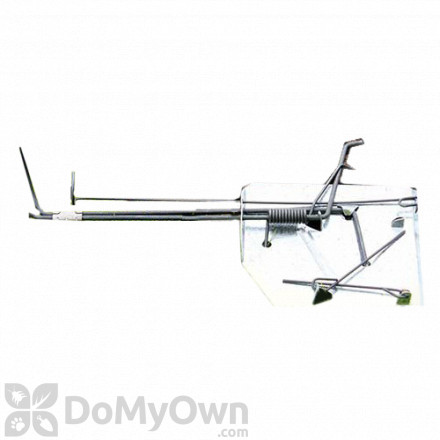
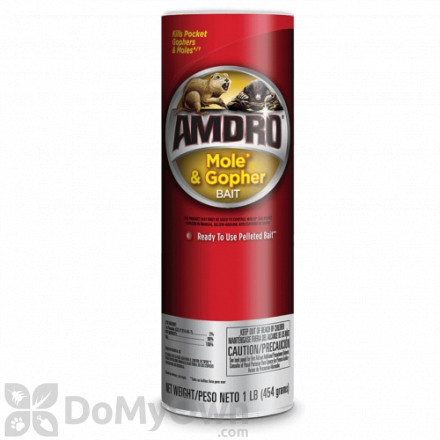
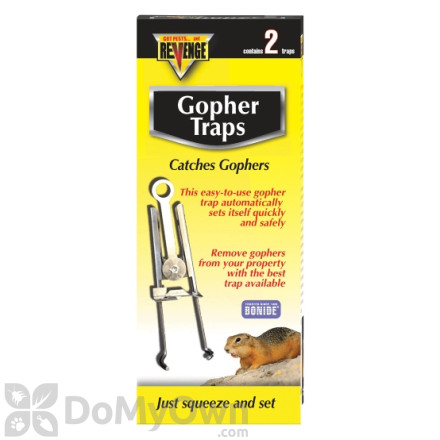
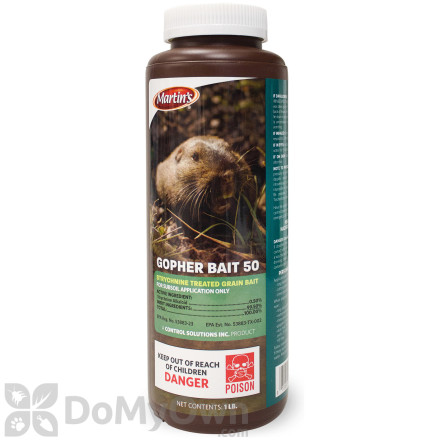
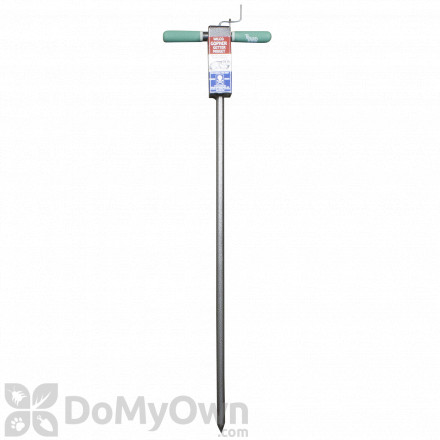
Gophers create extensive underground burrows that create unsightly mounds of dirt and damage plants in yards. Removing gophers can be tricky, but it is possible thanks to our selection of professional grade gopher control products. Gopher traps, bait, and other control methods will help you remove gophers, the first step in repairing your yard.
 (5)
(5)
 (5)
(8)
(26)
(5)
(8)
(26)
 (16)
(16)
 (49)
(22)
(10)
(19)
(19)
(7)
(49)
(22)
(10)
(19)
(19)
(7)
 (2)
(3)
(2)
(2)
(3)
(2)
 (9)
(3)
(1)
(5)
(1)
(2)
(2)
(9)
(3)
(1)
(5)
(1)
(2)
(2)
*Read our complete gopher identification article for more information
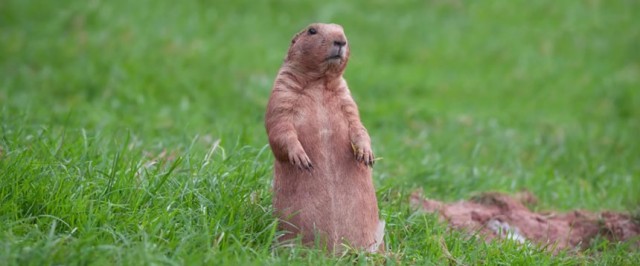
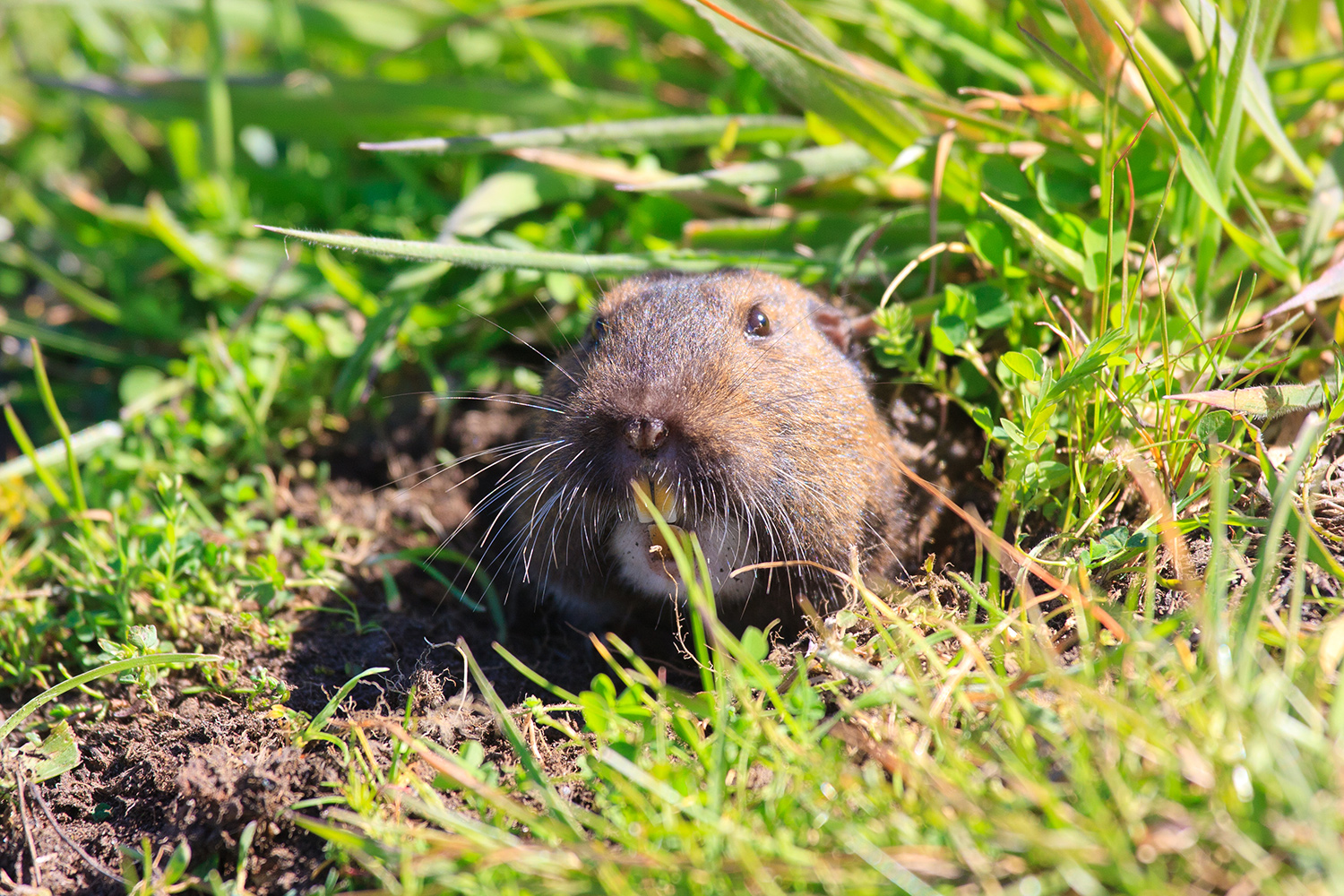
Commonly called pocket gophers for the external cheek pouches they carry food with, there are many different species of gophers varying from state to state. However, in general these animals are roughly six to ten inches long. They weigh about one pound and have very strong forelimbs with long claws made for digging. They have small, flat heads and their ears and eyes are adapted for dirt protection, with four long, continuously growing teeth that are exposed even when their mouths are closed. They only live about three years and can have one to three litters a year. Groundhogs, ground squirrels, chipmunks, voles, and moles are often misidentified for gophers.
Gophers spend most of their time underground, and have a variety of habitats varying from species to species. For example, prairie pocket gophers tend to prefer open fields or meadows to build their burrows. Gophers are also particular about what soil they prefer to build in. They tend to go for porous, light, well irrigated and easy to move soil rather than clay rich and damp or sandy and rocky soil. Gopher burrow systems can cover anywhere from 200 to 2,000 square feet. Tunnels are roughly a foot below ground, but some chambers can be several feet under ground. Gophers are solitary and generally there is one gopher per system unless mating or raising young, although their can be many systems in one area. Gophers eat plants, shrubs, and trees, eating the roots and succulent parts of plants underground, but also feed above ground very close to their burrow openings, and can sometimes pull up plants and pull them into their burrows.
*Read our complete gopher damage inspection article for more information.
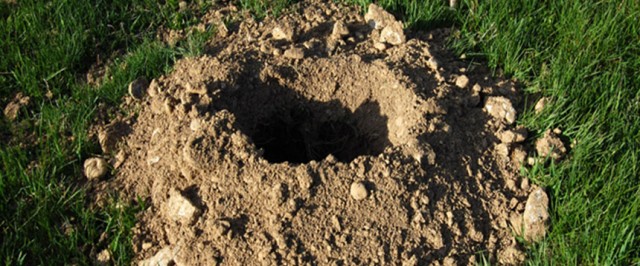
Gophers are not all bad; their digging can help to aerate and fertilize the soil. However, often they cause more damage than good in a home yard or garden. They can damage water lines, sprinkler systems, soil erosion, unsightly mounds, and can damage plants above and below grounds. Gopher holes usually plugged, and gopher mounds are usually crescent or horseshoe shaped.
*Read our complete gopher treatment & control article for more information about getting rid of gophers.
It is best to control gophers when they are near the surface of the soil, generally in the spring or fall. Otherwise, you will have difficulty reaching them and your time and money will be wasted. Before starting your gopher removal, call your local extension office to see if gophers are protected animals, or if you need any permits or licenses to rid your property of nuisance wildlife. Essentially you can choose to use traps (killing traps) or toxic baits, as they are the most effective means of gopher extermination. Other options include exclusion and the more extreme flooding and explosives. Here are some basics on these methods.
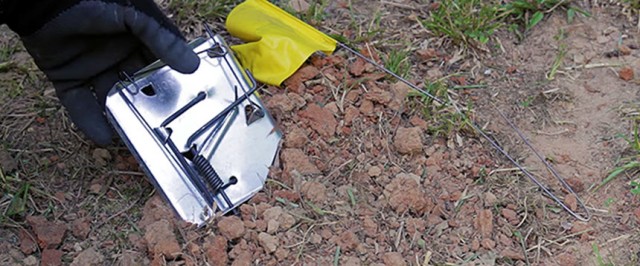
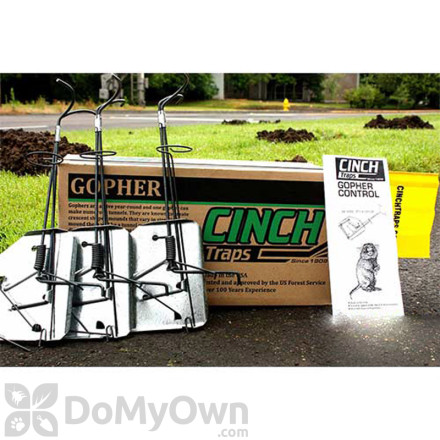
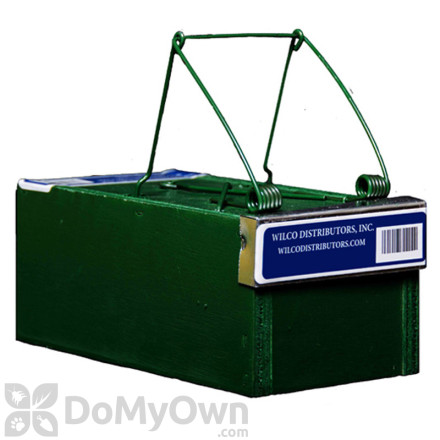
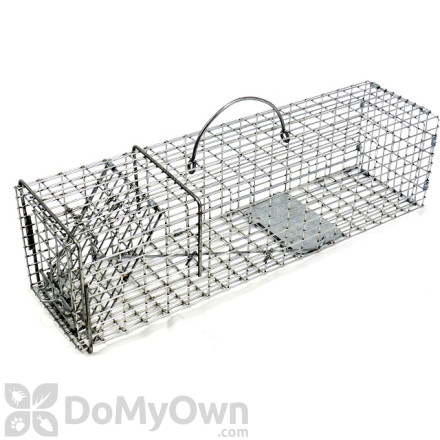
Gopher traps are especially effective in smaller areas but may not be a good choice for large fields or even large lawns. Proper placement of traps is key for this method.
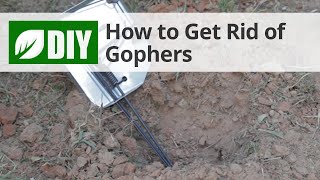
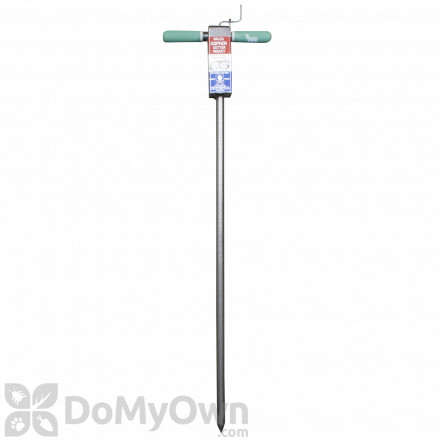
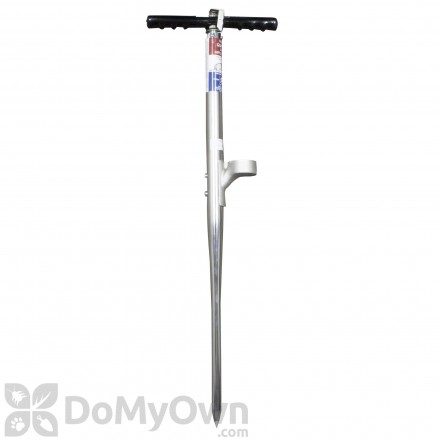
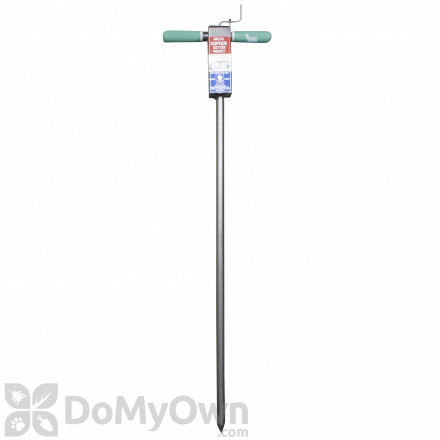
You need to find the main burrow of the gopher using a probe, either homemade or commercially bought, and locate the fresh dirt. Probe away from the plugged side of the mound about a foot away and a half-foot or foot deep. You will encounter a change of resistance, which indicates the burrow. You may have to try several times to find the burrow. Once located, you will have to dig with a trowel and set your traps.
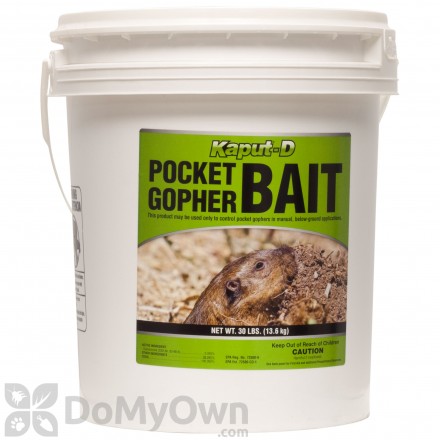
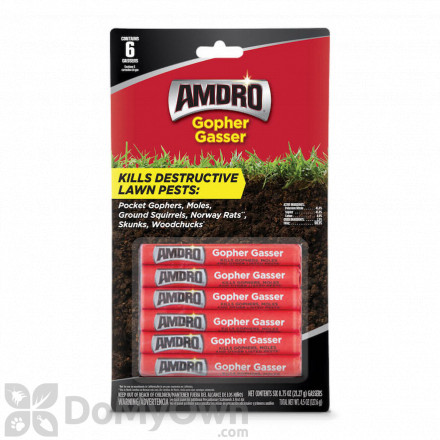
After checking whether this type of control measure is allowed in your area, you can begin to choose the type of gopher bait. Similarly to traps, you will have to locate the main burrow following the steps indicated in the traps section.
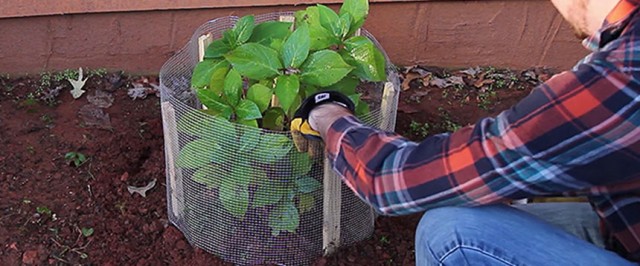
If plant damage is your main concern, you can try exclusion. You will have to dig about two feet down and place hardware cloth or wire mesh, flaring the ends out at a 90-degree angle that extends about six inches. Extend the mesh or cloth a foot above ground as well.
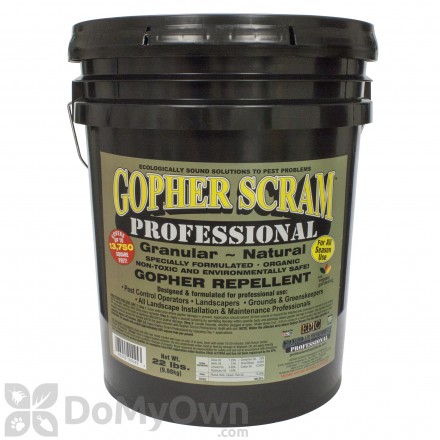
Some people choose to use explosives or to flood the gophers out, but these methods are a bit more extreme, although they can be effective. Natural predators, including owls, snakes, cats, dogs, and coyotes, can be encouraged, but since gophers spend most of their time underground, this can be difficult. There is no gopher repellent or frightening device proven to be effective against gophers.
See all of our animal control products for solutions to other animal pest problems.
Can't find the product you are looking for? E-mail us and we'll get it for you!
We sell professional do it yourself pest control (diy), exterminator and
extermination insecticide, pesticide, chemical and bug killer treatment
products to spray, eliminate and exterminate pests.
Many of our products are not available in stores
such as Home Depot, Walmart or Lowes.