


Physical Appearance
Behavior & Habitat
Termites thrive in moderate to tropical climates. Ground termites live and forage in ground soil under normal circumstances, but may also build a nest above the soil if adequate moisture is available. Ground Termite colony size is LARGE, potentially containing from several thousand to over 7 million termites.
Feeding Habits
Ground Termites require wood or other cellulose materials to survive, and will travel up to 100 yards from the primary nest to locate a food source. Ground termites also require a source of consistent moisture outside the moisture present in the wood. This may be in the form of roof leaks, shower and toilet leaks, plumbing leaks, ect. Once a ground termite locates a food or water source, it will leave a pheromone trail behind that other termites in the colony can use to find food and water.
Damage
Ground termites usually cause more extensive damage over a shorter period of time than Drywood Termites, sometimes consuming up to 15 pounds of wood in a single week!
Signs of Infestation
1. Swarmers- the first sign of an infestation may be "swarmers" around window sills and lights
2. Wings - piles of discarded wings on window sills or in cobwebs
3. Mud Tunnels- appearing vertically on the interior or exterior of foundation walls
4. Damaged Wood - look for tunnels that follow the grain(see illustration for typical subterranean termite damage)
Suggested Treatments for Ground Termite Control
1. Mechanical Alteration- Prevent water from accumulating at the foundation of your home. There are several ways to do this include installing gutters, splash blocks, or downspouts. Creating an artificial slope will allow water to drain away from the structure. Humidity in crawl spaces may be reduced with proper ventilation.
2. Sanitation- Keep trees, vines, and trellises trimmed so they are not touching the structure, and never pile or bury extra wood scraps or lumber near the home.
3. Baiting Treatment- See Termite Baiting Treatments
4. Soil Treatment- Apply a termite treatment in the soil surrounding the structure to form a continuous barrier
5. Foundation Treatment- Similar to a soil treatment, but targets the actual foundation wall, including cracks and crevices.
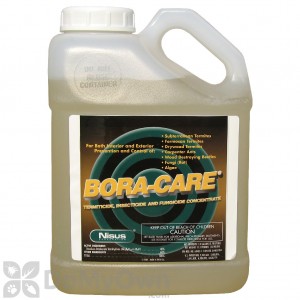
6. Wood Treating- Treat infested wood directly with an insecticide borate preservative such as Timbor or Boracare. These products are also a great preventative treatment for wood that is not yet infested.
Recommended Products for Ground Termite Control:
- FirstLine Termite Defense System Kit- Complete Starter Kit for the Firstline Termite Defense System. Everything is included to provide your own Termite Control.
- Advance Termite Monitor Bait Station- Used to hold the Advance termite monitoring base and wood base to detect subterranean termites.
- Timbor- A wood preservative for the protection and treatment of lumber against fungal decay and wood destroying insects.
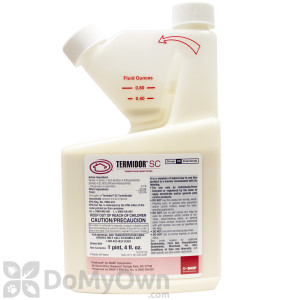
- Termidor SC- Termidor SC is one of the most effective termiticides and ant control products available today.
- Premise 2 Termiticide
- Premise Foam Termiticide
For more detailed information on Termite prevention and control, see How To Get Rid of Termites
Products
View all Termite Control Products
Liquid Termite Control
Termite Bait Systems