






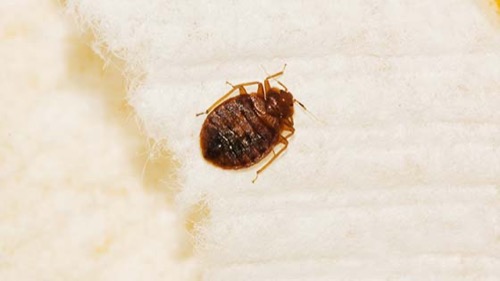
Bed bugs are incredibly small and can fit into cracks as thin as a credit card. This makes bed bugs hard to find in the home, and can make bed bug control difficult. Use this guide to learn where bed bugs are most often found, then read the rest of our 4-part guide to learn more about getting rid of bed bugs and how to prevent bed bug infestations.




Check Common Bed Bug Hiding Spots
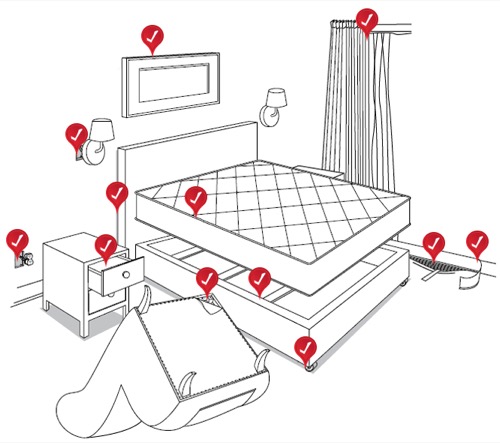
Using a flashlight and a stiff, flat-edged object like a credit card or paint scraper, check around beds, mattresses, and other areas where you suspect you might have bed bugs. Look for actual bugs, eggs, feces, or molted skin as evidence of an infestation. Be sure to look in the cracks, crevices, and folds of fabric and furniture. You may also want to wear protective gloves during this inspection.
- Bed bugs are attracted to warmth. The number one hiding place for bed bugs is in mattresses and beds. Inspect your sheets for blood spots bed bugs may have left behind. Be sure to thoroughly inspect the seams, tufts, and folds of your mattress in addition to any corners or crevices of your bed.
- Bed bugs also like to linger where humans sit or lay idle for long periods of time. Couches, recliners, and even office chairs are popular hiding spots for bed bugs. Don't forget to look beneath furniture, where fabric meets the legs of the furniture, and between seat cushions.
- Bed bugs will also hide around the perimeter of a room. The edges of baseboards and carpet should also be inspected.
Inspect Less Common Bed Bug Hiding Spots
Bed bugs are treated directly, which makes it important to know exactly where they are, and where they are not, in your home. This will help you target where to treat for bed bugs and avoid wasting chemical. You also do not want to miss any bed bugs, which can cause a longer infestation.
Using your flashlight and flat-edged object, inspect your nightstand and dressers. Empty out each drawer and examine the cracks and joints of the drawers. Don't forget to turn your drawers over and inspect the bottoms.
Inspect these areas as well:
- curtains and drapes
- around window and door frames
- around the ceiling (especially in the corners of the room)
- behind loose wallpaper
- behind outlet covers
- under lamps
- inside picture frames
- inside alarm clocks and other home electronics
Watch the video below for a demonstration of a bedbug inspection.