


Yellow Jacket treatments should always be conducted at nighttime, when the Yellow Jackets are the least active and least likely to sting.
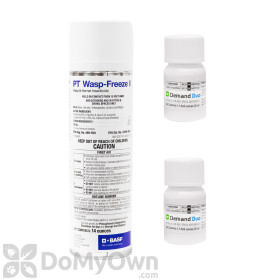
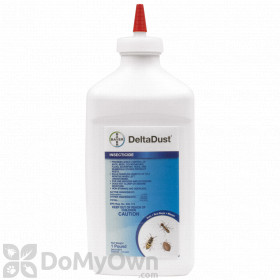
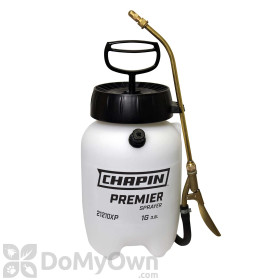
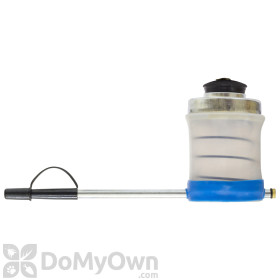
Here are the products you may need to get rid of yellow jackets in the methods described below:

Identification
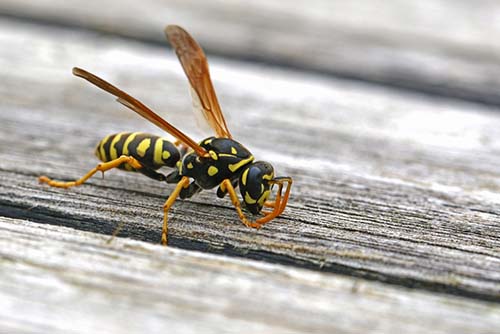
Yellow Jackets are often mistaken for honey bees because they look so similar, however honey bees are actually larger and have hair on the abdomen.
For more information on identifying wasps and hornets, see our wasp and yellow jacket identification guide.
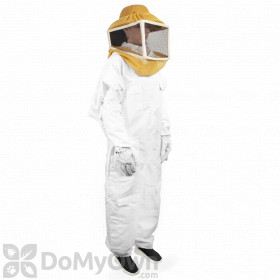
Protective Clothing
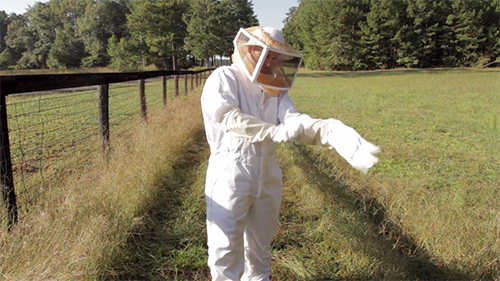
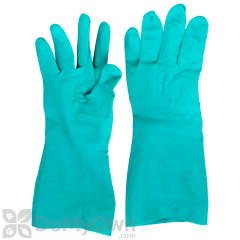
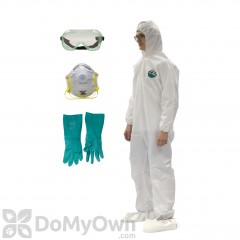
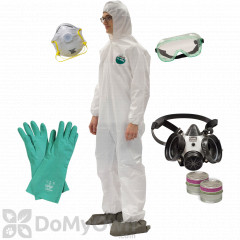
Anytime you interfere with the routine activity of yellow jackets there is risk of being attacked and stung, so it is very important to wear protective clothing! (Note: people who have a history of severe or mild reaction to insect stings should not perform these treatments). At the very minimum, the following should be worn when treating for yellow jackets:
How to Bait for Yellow Jackets
Baiting for yellow jackets will allow you to quickly control the population. All of the products you need to do this treatment are available in our Yellow Jacket Bait Station Kit.
- Test Baits: Like people, yellow jackets have different food preferences. Some yellow jackets may prefer a sweet food while other may prefer a protein like meat.

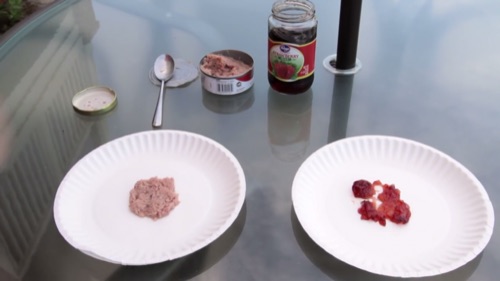
To see the yellow jackets you are dealing with prefer, you will want to put a few different bait options (such as tuna, raw chicken, and jam) out on a paper plate outside for the yellow jackets to find and consume. Monitor the baits to see which the yellow jackets eat. - Mix In an Insecticide: Once you see which bait the yellow jackets prefer, you can use that bait to mix with an insecticide and use in your bait stations.
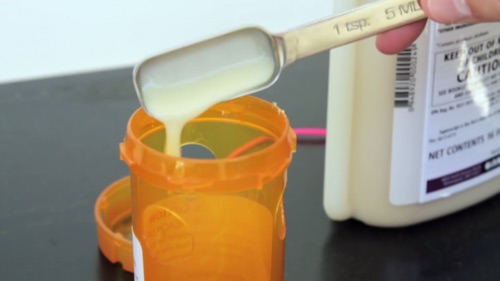
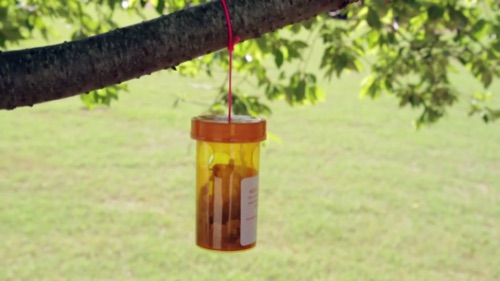
Mix 12 ounces of bait with 1/4 of a teaspoon of Onslaught Insecticide. Use a disposable spoon or measuring spoon that is only used with insecticides (do not use this spoon for cooking or eating after using with insecticides!). Add a few ounces of the bait mixture to each bait station. - Hang Bait Stations & Monitor: Hang the filled bait stations around the outside of your home. The stations should be spread out approximately 50 feet, and hung 5 to 6 feet off the ground in areas where pets and children cannot access them.
Check the stations every few days to see if the yellow jackets are consuming the bait, and replace it as needed until your yellow jacket population is under control.
Treating Ground Nests
- Try to locate the nest by watching the yellow jackets during the day and taking note of where they disappear into the landscape or structure.
- At night (using a flashlight), apply PT Wasp Freeze II Aerosol directly into the nest. Make sure to wear protective clothing!
- Delta Dust also works well and provides excellent coverage when applied in and around the nest. Delta Dust lasts 4 to 6 months and will result in a quick kill. Apply dust liberally using a bulb duster (for easier application) and repeat in 3 to 4 months to control for newly hatched yellow jackets.
For thick or heavy ground coverings where yellow jackets are active but the exact nest location is not known, a liquid insecticide like Demand Duo may be broadcast over the entire area using a gallon sprayer. The area should be well drenched, especially on and around suspected nest entrances. Keep tabs on the yellow jacket population over the next 10 to 14 days; repeat as needed.
The DoMyOwn Wasp and Hornet Control Kit contains both Demand Duo and PT Wasp Freeze needed to perform this treatment.
Treating Exposed or Aerial Nests
There are two basic methods for treating exposed outdoor yellow jacket nests, hanging from eaves, trees, or other objects. Whichever you choose, be sure to wait until night when the yellow jackets are at rest, and always wear protective clothing!
- Using a red or amber colored light to illuminate the nest at night (a regular flashlight will attract the guard wasps), apply PT Wasp Freeze Aerosol or Delta Dust directly into the nest using the plastic injector tip. Poking the injector or duster tip through the back of the nest is often safer than using the front entrance used by the yellow jackets.
- An alternative method would be to first pull a large, durable plastic bag over the nest and then cut the branches securing the nest. Next inject PT Wasp Freeze Aerosol or Delta Dust directly into the bag, and seal.
Treating Nests in Structural Voids
Sometimes yellow jackets will nest in various elements of a home or structure, such as ceiling and wall voids, in the eaves behind fascia board, soffits, in hollow cement blocks, and inside excavated wood galleries. Such nests are best treated by drilling into the infested void and injecting the nest with Delta Dust.
- Locate the nest. If you are not sure exactly where the nest is located, use a listening device to hone in as close as possible to the exact location.
- Drill small holes directly into the nest from inside of the structure. If it is not possible to drill from the inside, the drilling can be done outside. If you do this, be sure to leave any outside entrance holes open until the beginning of fall when hatching is sure to be completed. Then the entrance may be sealed to prevent further nest establishment.
- Apply an insecticide dust liberally using a bulb duster (for easier application)
- Seal any inside holes.
- Repeat in 3 to 4 months to control for newly hatched yellow jackets.
Further Prevention for Yellow jackets
- Prevent nest establishment by filling animal holes or burrows with dirt.
- Keep yellow jackets outside the structure by repair any holes in the exterior wall and making sure that all vents and windows have tight-fitting screens.
- Seal over the chimney flu temporarily with tape and plastic sheeting if yellow jackets are entering here.
- Use a trash bin with a tight fitting lid, and treat interior and exterior surfaces of trash cans with an effective yellow jacket repellent.