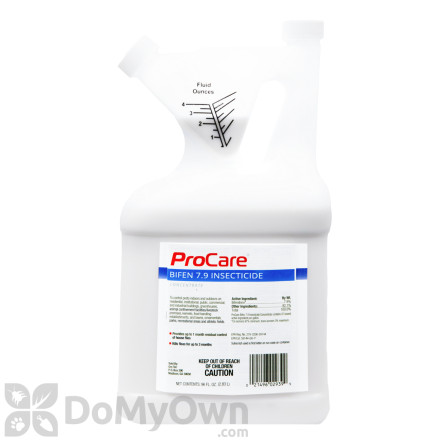
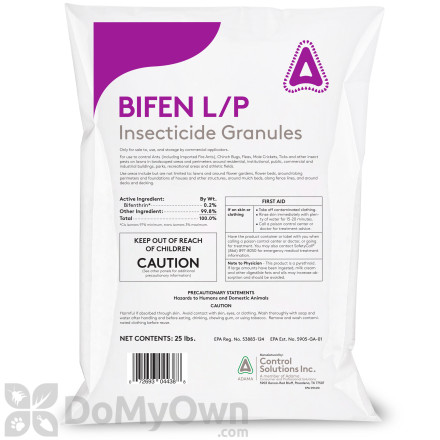
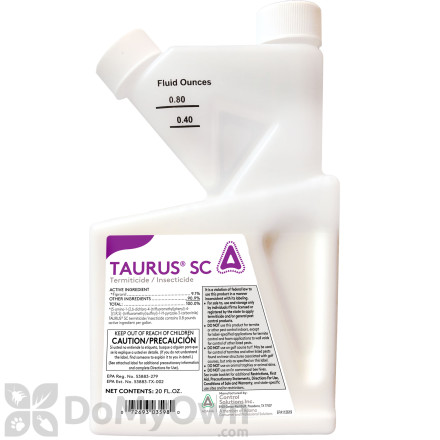
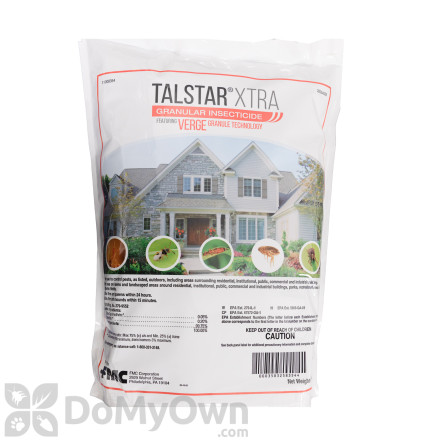
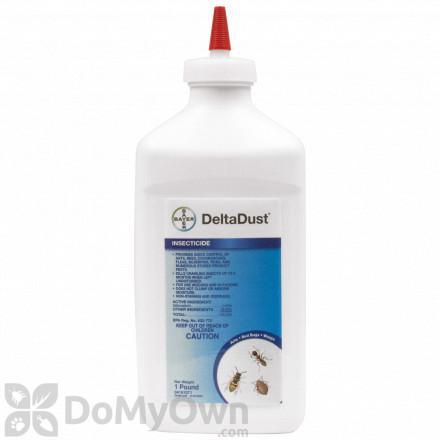
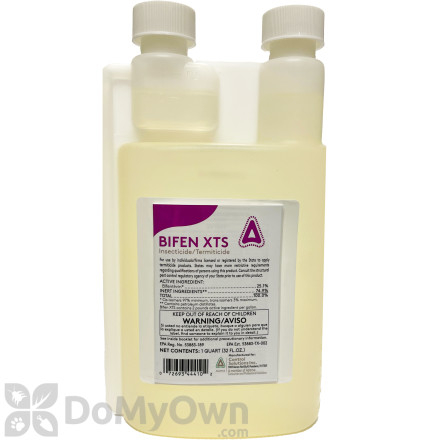
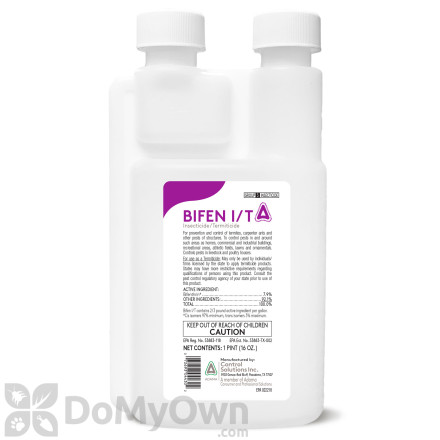
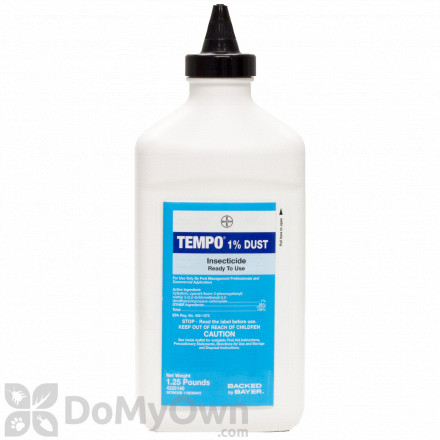
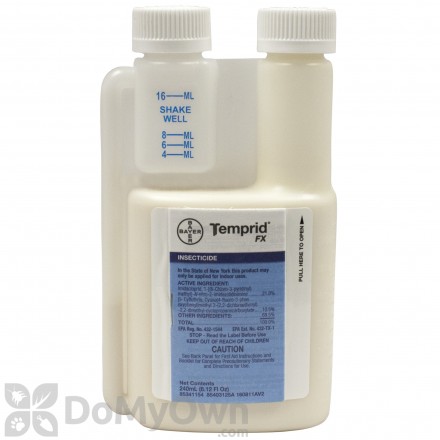
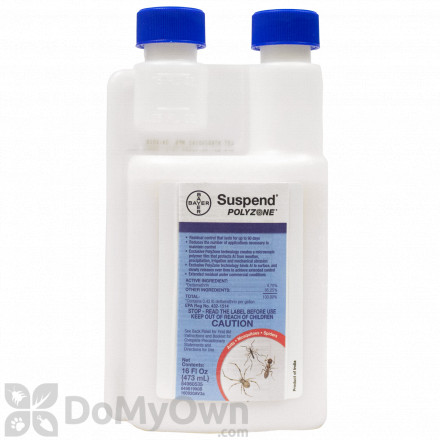
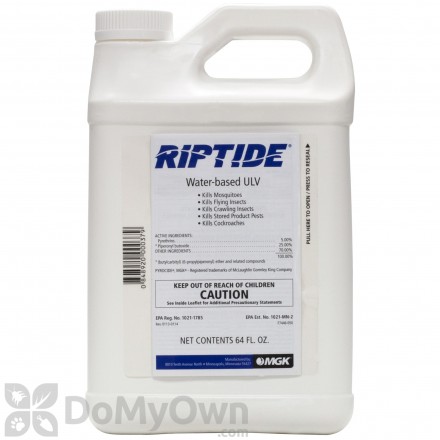
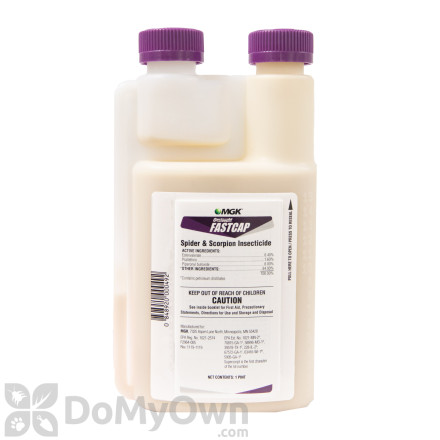
Often confused with centipedes, millipedes do not bite but can enter homes and gardens in large numbers. Our millipede control products, including insecticides and monitors, prevent millipedes from invading and remove infestations.
 (1104)
 (1140)
(731)
(3193)
(277)
(1011)
(1140)
(731)
(3193)
(277)
(1011)
 (221)
(533)
(446)
(309)
(479)
(321)
(385)
(1523)
(460)
(295)
(166)
(63)
(190)
(301)
(75)
(275)
(40)
(221)
(533)
(446)
(309)
(479)
(321)
(385)
(1523)
(460)
(295)
(166)
(63)
(190)
(301)
(75)
(275)
(40)
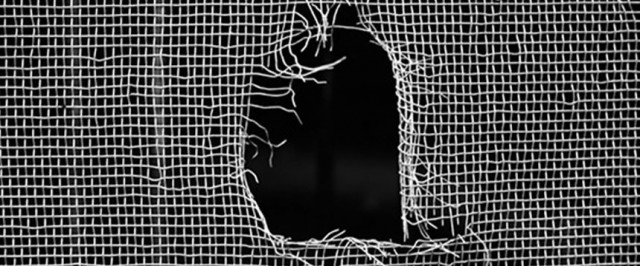
Indoors: If you find a millipede in your home, don’t panic. Most of the time, there is no control measures necessary, since millipedes generally can’t survive indoors. A millipede infestation is more likely to occur outdoors than indoors. If there is a very damp area of your home, try to dry it as best as possible. Focus on area of your home that is infested; if you want to use pesticides, only treat this area. Seal all possible entry points that the millipedes are entering in from, and sweep or vacuum up any dead millipedes.
Outdoors: Reducing the possibility of millipede populations from building up in your yard will reduce the population of millipedes from entering your home.
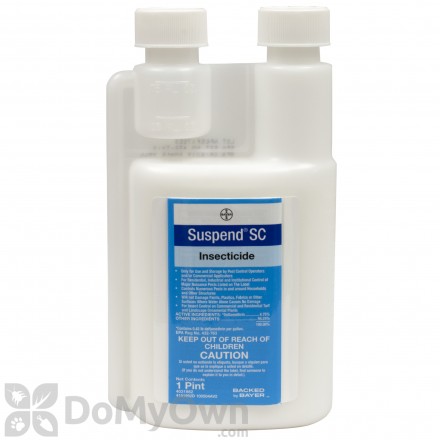
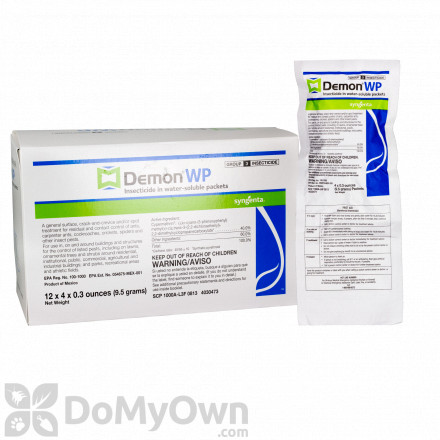
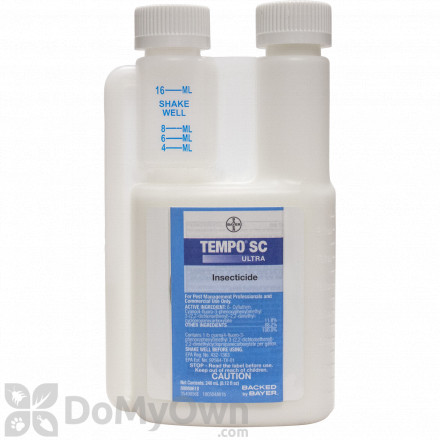
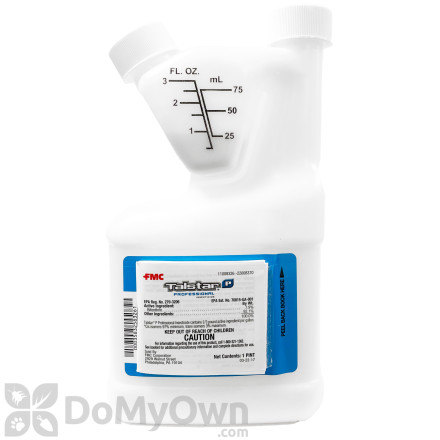
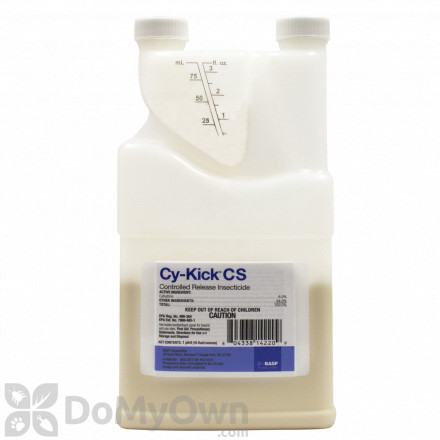
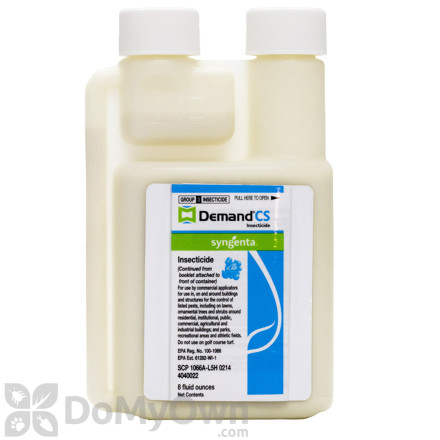
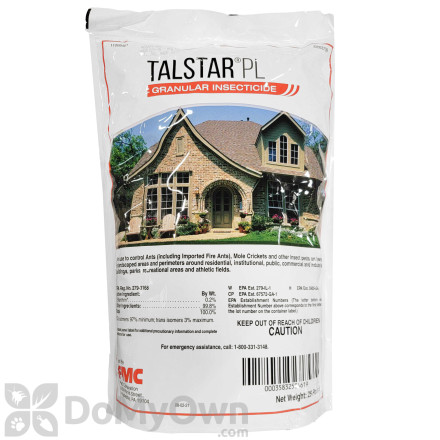
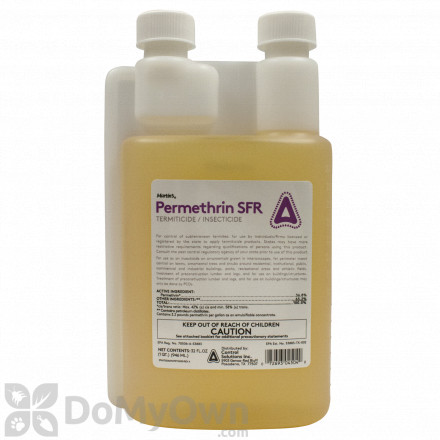
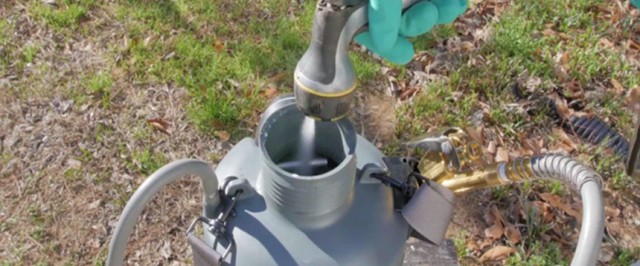
A residual insecticide can be applied around the perimeter of your home and on the foundation walls and on window and doorsills (outdoors).
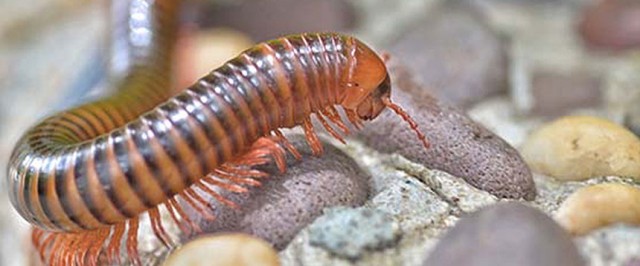
Millipedes are worm-like arthropods with cylindrical, shiny bodies. They are brown to black in color and are about one to two inches long. The legs of a millipede often give them away. They have two pairs of legs to each body segment, and the number of segments depends on both the species and age of the millipede. People often get centipedes and millipedes confused. Centipedes have far fewer legs and much longer, more visible legs, with long protrusions coming from the front and back ends of their bodies, while millipede legs are very short and hardly visible if viewed from above.
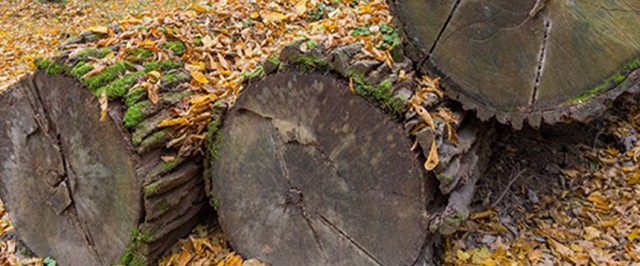
Millipedes need cool, damp places to live. Outdoors, you will find millipedes under stones, in leaf mold, mulch, compost, compost heaps, grass clippings. At certain times of the year, millipedes tend to migrate and may find their way into your home, again searching out damp and cool areas like basements, crawl spaces, window wells, and garages. This migration could be correlated to changes in weather and mating behavior.
Millipedes are often considered to be beneficial, because they help to break down the soil, but sometimes they feed on your garden. Overripe fruit in contact with soil, like strawberries or tomatoes, or roots and seedlings of beans, corn, and peas are sometimes affected. They can crawl their way in to cabbage, potatoes, beets, and other root vegetables. If inside your home, they will not cause any physical damage. Many people are concerned about millipede bites or stings and whether they are harmful to humans. While millipedes do not bite or sting, millipedes have bristles that can cause allergic reactions in some individuals. Millipedes are not poisonous.
Can't find the product you are looking for? E-mail us and we'll get it for you!
We sell professional do it yourself pest control (diy), exterminator and
extermination insecticide, pesticide, chemical and bug killer treatment
products to spray, eliminate and exterminate pests.
Many of our products are not available in stores
such as Home Depot, Walmart or Lowes.


 & Up (106)