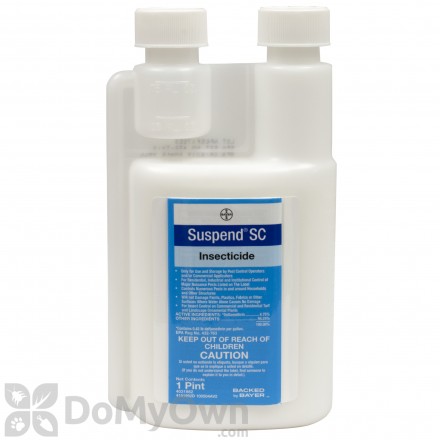
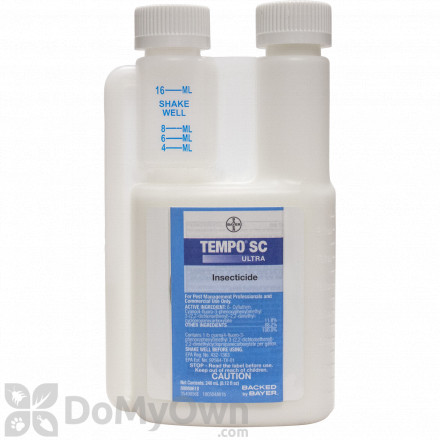
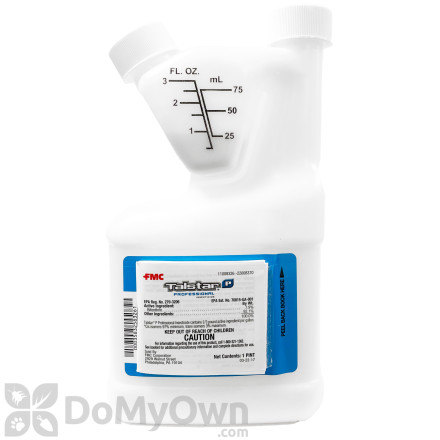
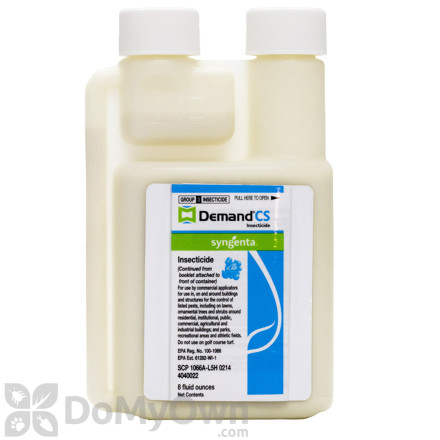
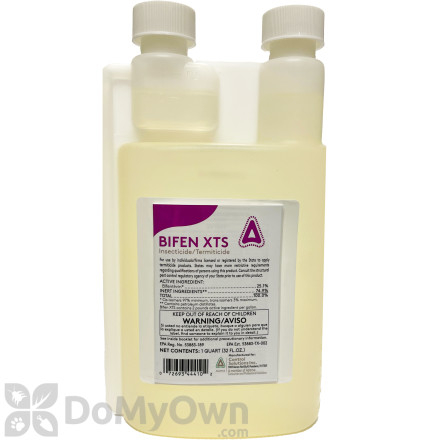
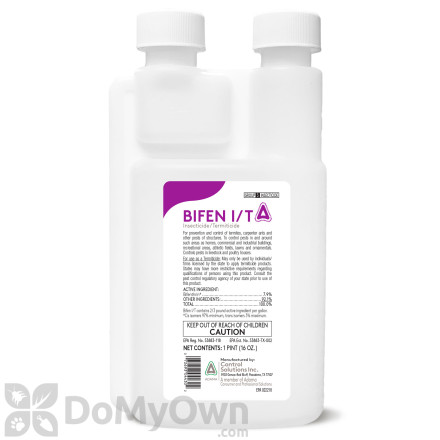
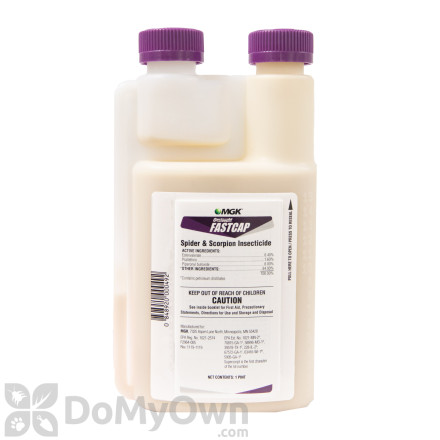
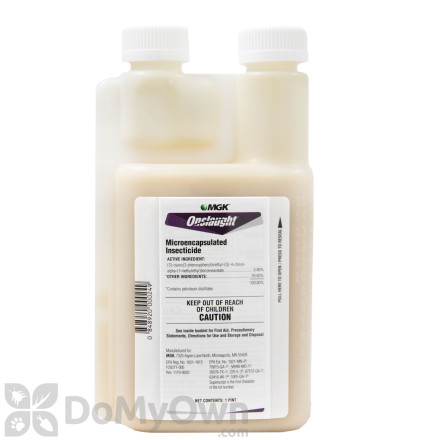
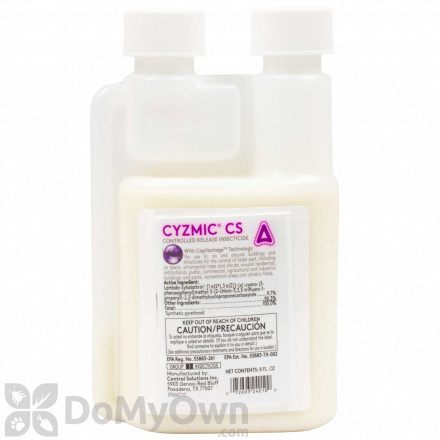
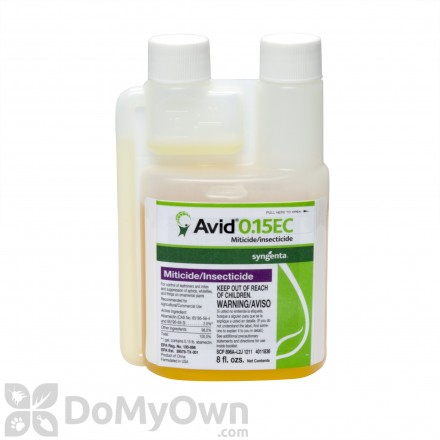
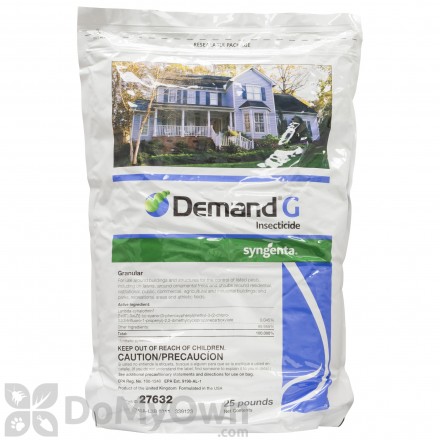
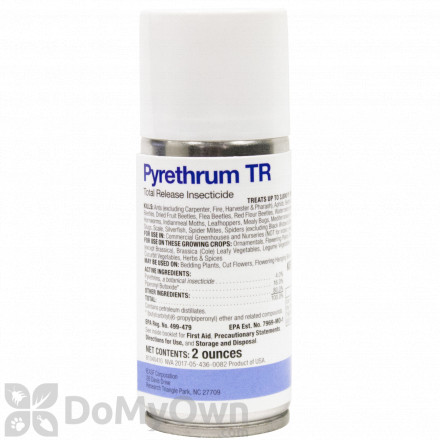
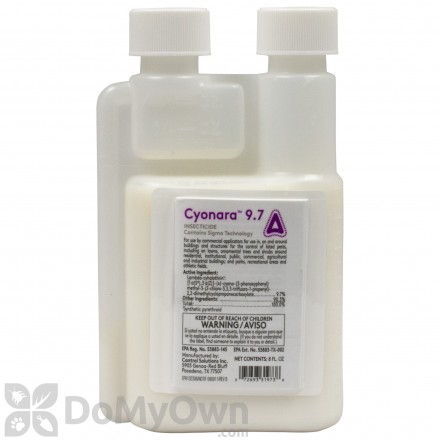
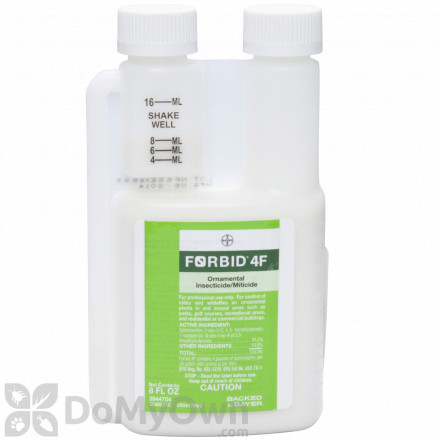
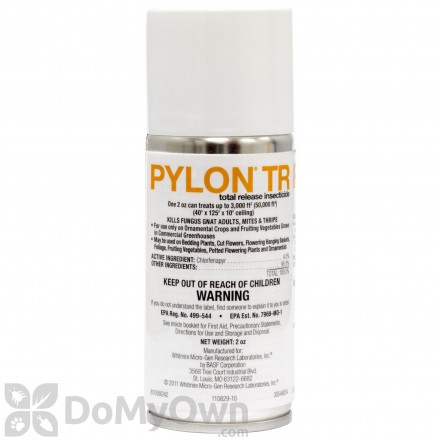
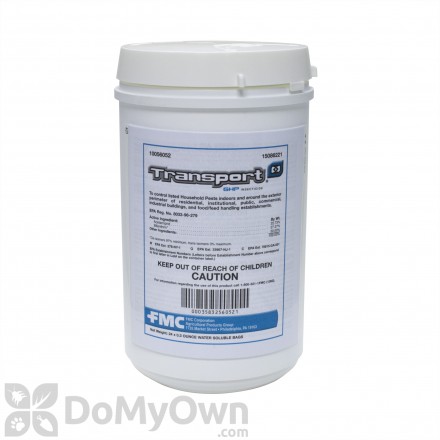
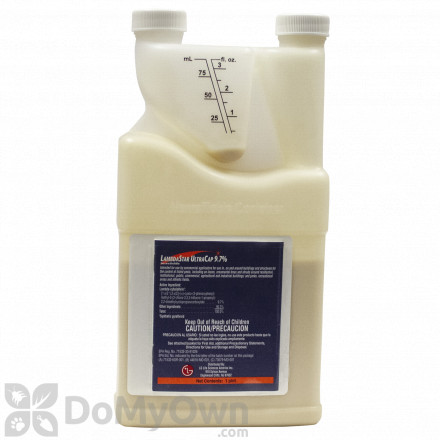
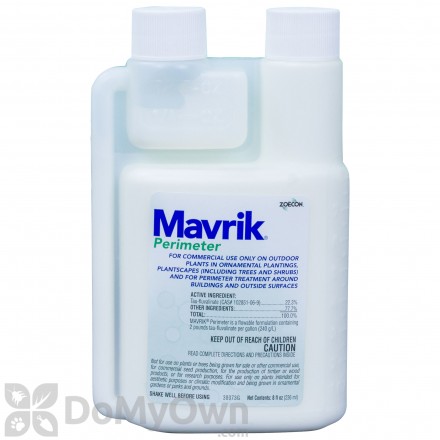
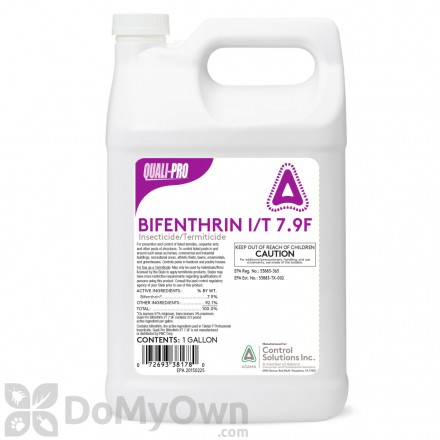
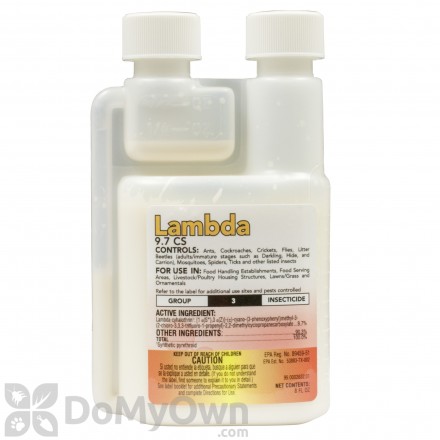
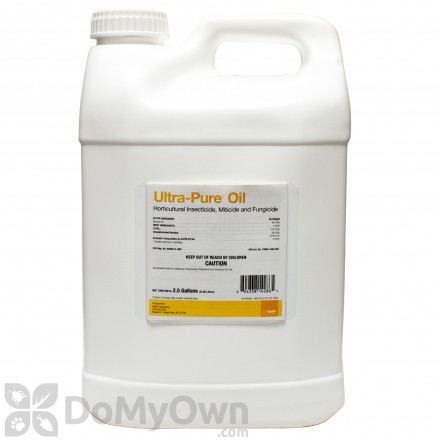
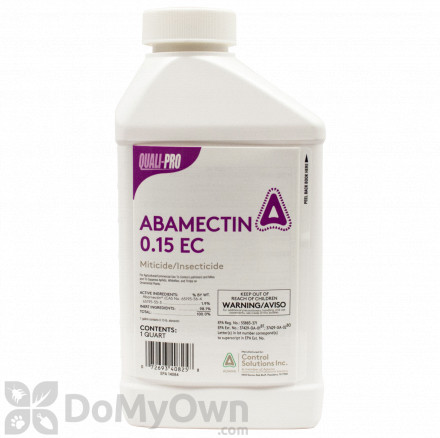
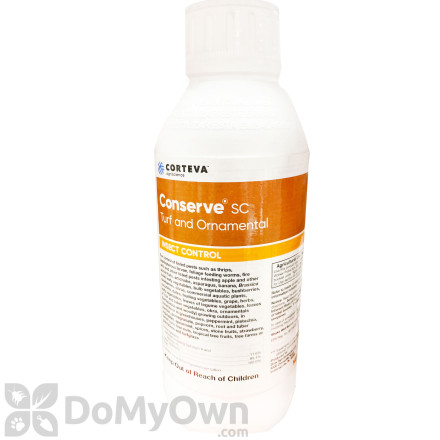
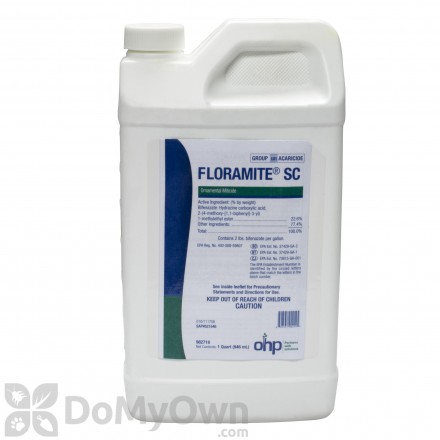
Spider mites, while nearly microscopic, can become large pests in your garden and can severely damage plants. Because they are so small, this species of mite can be difficult to diagnose and control. Our spider mite control products will help knockdown and protect against spider mites in the garden.
 (1104)
 (729)
(3187)
(446)
(385)
(1514)
(190)
(729)
(3187)
(446)
(385)
(1514)
(190)
 (170)
(156)
(57)
(37)
(17)
(169)
(22)
(7)
(22)
(38)
(7)
(6)
(46)
(8)
(4)
(12)
(1)
(170)
(156)
(57)
(37)
(17)
(169)
(22)
(7)
(22)
(38)
(7)
(6)
(46)
(8)
(4)
(12)
(1)
Early detection of spider mites is key to spider mite control. Checking once every week or every two weeks can help you track your spider mite levels. Here are some simple tactics in keeping spider mite populations under control.
While there are many different species of spider mites, all go through the same development. The adult females lay eggs on host plants. These eggs hatch in March and April. The whole cycle of development can last from five days to three weeks, depending on species and weather conditions. Spider mite larvae have only three pairs of legs and molt into two nymph stages that last a few days each before molting into adults.
Spider mites are a small, nearly microscopic but can cause huge amount of damage when in large numbers. Adult spider mites have four pair of legs, have no antennae, a single oval body (no distinct head), and have the ability to produce silk. In large-scale infestations the silk can be readily visible. To check if you have spider mites on your plants, the best way to check is to take a sheet of white paper and shake a branch over the paper. If the specks that fall on the paper start to slowly crawl across the surface, you are dealing with some kind of mite. Some species of mites can appear red, but all spider mites cause the same kind of damage, no matter the color.
Spider mites use their mouthpieces to tear into leaves or veins in leaves or stems and ingest the cell sap. This makes the leaves appear to be “sandblasted” or stippled. Large scale infestations can cause the leaves to appear bronzed, bleached, yellow, or gray and untreated plants can lose vigor, get thinner, and could eventually die.
Spider mites that feed on conifers and broad-leaved plants are cool-weather pests that are most active in fall and spring. Spruce mites are very destructive and feed on conifers, spruce, fir, juniper, and sometimes pine. Spider mites that thrive in warmer months feed on linden, elm, willow, and oak among others. The most commonly destructive spider mite is the two-spotted spider mite. This mite has more than 180 indentified host plants and damage roses, violets, and other flowers, many garden vegetables, fruit trees, houseplants, and most greenhouse plants.
Can't find the product you are looking for? E-mail us and we'll get it for you!
We sell professional do it yourself pest control (diy), exterminator and
extermination insecticide, pesticide, chemical and bug killer treatment
products to spray, eliminate and exterminate pests.
Many of our products are not available in stores
such as Home Depot, Walmart or Lowes.

 & Up (38)