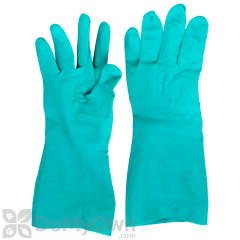
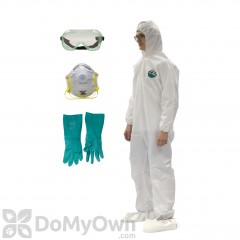
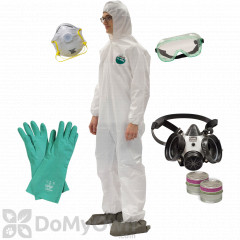
Please be sure to read the product label of any insecticide you choose to use to get information on the personal protective safety gear you will need. In most situations, it is recommended that you wear long pants, a long sleeved shirt, closed toe shoes with socks, chemical resistant gloves, and goggles. In areas where ventilation is poor, a manufacturer may recommend you wear a mask or a respirator. We have put together two different safety kits that will make selecting the correct safety gear easier for you.
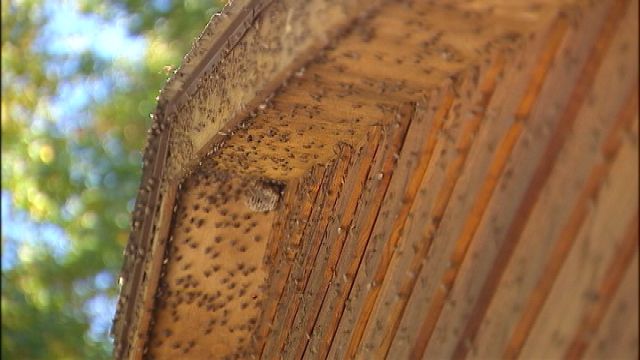
Stink bugs are a nuisance to homeowners and business owners who have the misfortune of having these pests make their way inside to overwinter. Stink bugs do not truly infest homes as they do not feed, mate or lay eggs indoors. The biggest complaint with these bugs is the smell they are able to emit when irritated or crushed and the sheer volume of bugs when they do invade.
Do Stink Bugs Bite?
No. Stink bugs do not bite or otherwise harm humans.
Stink bugs can also cause damage to fruit trees and vegetable plants but the treatment for this issue depends on the type of fruit tree or vegetable plant you have. If you have this problem, please call us for specific directions: 1-866-581-7378
Step1
When & Where to Treat
It is highly recommended that you start treating for stink bugs in Early August and continue through November or to the first frost.
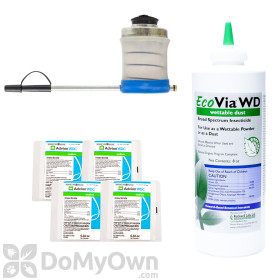
You will need a couple of tools and products to be able to perform your own stink bug control program.
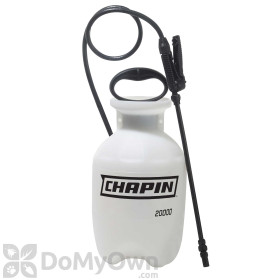
Hand pump or back pack sprayer
Liquid concentrate insecticide
Hand duster
Dust insecticide
There are many brands of stink bug products on the market which can make choosing just the right one for your needs a little daunting. We have put together a stink bug control kit and an overwintering kit to make picking the right insecticides easier.
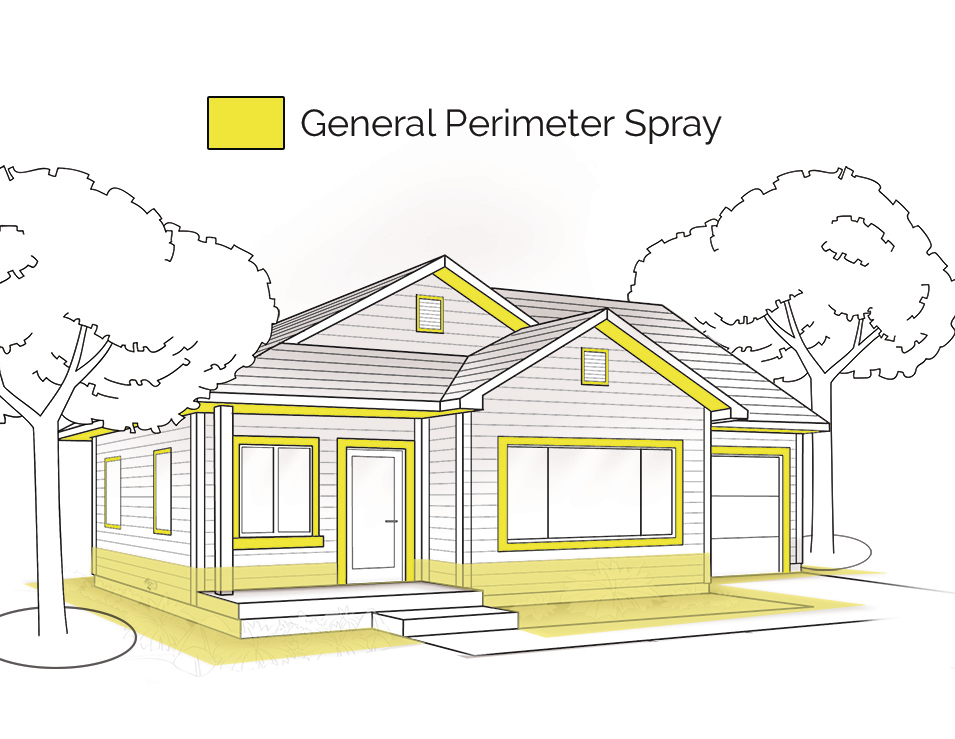
We recommend applying the liquid insecticide every 30 days around the exterior perimeter of your structure. Be sure children and pets are out of the areas during the application. They can return as soon as the areas have dried, usually about an hour. Mix the concentrated liquid insecticide as recommended on the product label. Using a hand pump sprayer or a backpack sprayer, apply the solution to the following areas:
1 foot up the foundation of the structure and 1 foot out on to the ground
around areas where cables, pipes and wires enter into the structure
around door frames and window frames
around vents and soffits
any other area on the structure
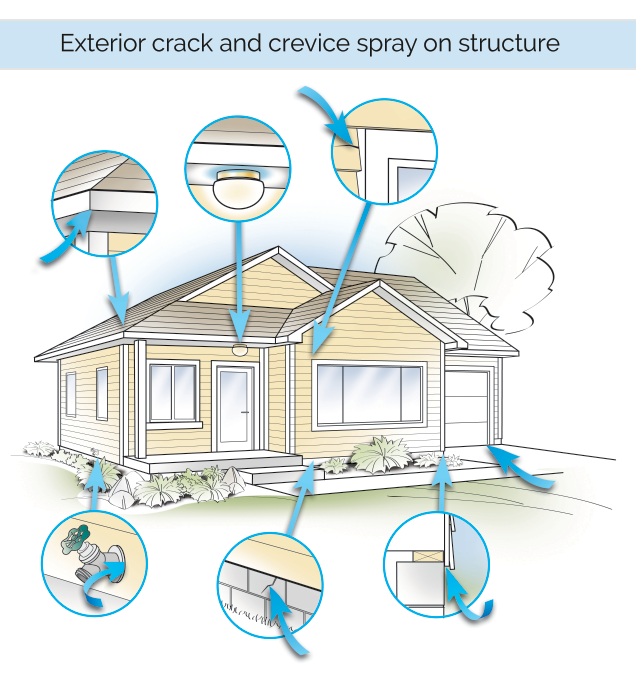
After the liquid insecticide has dried it is time to apply the dust insecticide. We recommend using a dust insecticide every 6 months directly in cracks and crevices around the exterior of your structure. You may be wondering why we recommend using two different insecticides around your home or business. We make this recommendation because the liquid insecticide will be exposed to UV rays or applied to porous surfaces both of which can reduce the effectiveness of the application. Dust applications are long lasting and work well as added protection against persistent invading insects. Add insecticide dust to the hand duster and apply to the cracks and crevices in the following areas:
around window and door frames
around areas where cables, pipes and wires enter in to the structure
around eaves and soffits
any crack, crevice or gap where pests can enter
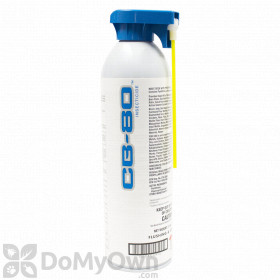
After stink bugs have made their way inside they are hard to control. That is because they like to stay tucked away inside mostly inaccessible areas. If some stink bugs come out of hiding the best way to eliminate them is to vacuum them up and then empty the bag or canister outside. You can also choose to spot treat with a pyrethrin aerosol if you find an area that is inaccessible to a vacuum. You must spray the stink bugs directly in order for the product to be effective.
NOTE: In most instances where homes or other structures have had stink bug invasions in the past it can take more than one season to gain complete control. Typically about 80% control will be attained the first season.