

Home » Articles » Termite Control » Subterranean Termites Identification and Biology

Testimonial

06/29/2012

"I used to be a licensed pest control technician. I have looked and looked for a place to purchase the chemicals that I am familiar with, and that I know work. I stumbled across this site today, and I am so excited to see that the majority of my tools and chemicals are here for purchase. Thank you."

Kendra
New Orleans LA.

More Testimonials »


Subterranean Termites Identification and Biology

By DoMyOwnPestControl.com staff


Print article


Physical Appearance
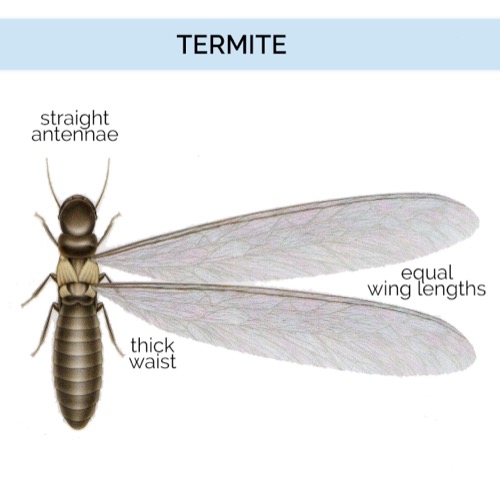
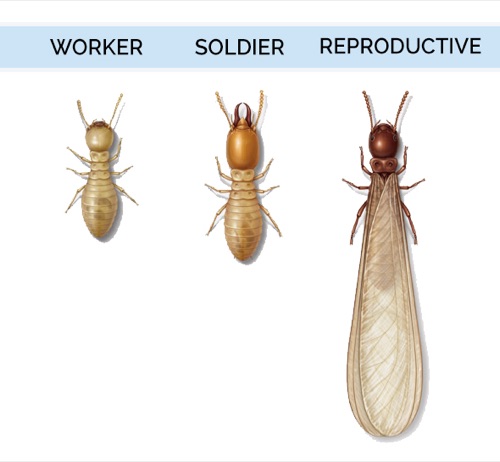
  • Primary Reproductives- Black to pale yellow-brown in color; Wings are pale or smoky gray to brown in color with few visible veins; ¼ to 3/8 inch long.
  • Secondary Reproductives- White to cream in color; wingless, or very short wings
  • Workers- Making up the majority of a colony, workers are white in color, wingless, and ¼ to 3/8 inch long.
  • Soldiers- Resemble workers in overall appearance, except with a slightly larger brownish head and more prominent mandibles or jaws.


Habitat

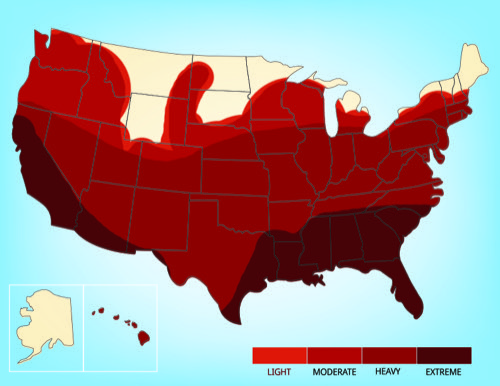
Subterranean termites thrive in moderate to tropical climates. They live and forage in ground soil under normal circumstances, but may also build a nest above the soil if adequate moisture is available. Colony size is LARGE, potentially containing from several thousand to over 7 million termites.


Behavior

If you see winged termites coming from the ground near your home, this may not necessarily mean you have an infestation; however it is a good reason to further investigate. A colony may establish itself in the soil before moving on to infest your home. Subterranean termites may also enter your home through wooden structural elements that come in contact with infested soil.

Unlike Drywood termites and other wood-borers, the subterranean termite does not push fecal pellets or wood particles to the outside of a wood gallery. Instead, the subterranean termite uses these materials and other debris to form a plaster for tunnel construction.


Feeding Habits

Subterranean Termites require wood or other cellulose materials to survive, and will travel up to 100 yards from the primary nest to locate a food source. Subterranean termites also require a source of consistent moisture outside the moisture present in the wood. This may be in the form of roof leaks, shower and toilet leaks, plumbing leaks, ect. Once the termite locates a food or water source, it will leave a pheromone trail behind that other termites in the colony can use to find food and water.


Damage

Subterranean termites have the potential to cause more extensive damage over a shorter period of time than any other termite species. They have been called the most destructive wood pest in the US, sometimes consuming up to 15 pounds of wood in a week.


Signs of Infestation

1. Swarmers- the first sign of an infestation may be "swarmers" around window sills and lights

2. Wings - piles of discarded wings on window sills or in cobwebs

3. Mud Tunnels- appearing vertically on the interior or exterior of foundation walls

4. Damaged Wood - look for tunnels that follow the grain(see illustration for typical subterranean termite damage)

 
Suggested Treatments for Subterranean Termite Control

1. Mechanical Alteration- Prevent water from accumulating at the foundation of your home. There are several ways to do this include installing gutters, splash blocks, or downspouts. Creating an artificial slope will allow water to drain away from the structure. Humidity in crawl spaces may be reduced with proper ventilation.

2. Sanitation- Keep trees, vines, and trellises trimmed so they are not touching the structure, and never pile or bury extra wood scraps or lumber near the home.

3. Baiting Treatment- See Termite Baiting Treatments

4. Soil Treatment- Apply a termite treatment in the soil surrounding the structure to form a continuous barrier

5. Foundation Treatment- Similar to a soil treatment, but targets the actual foundation wall, including cracks and crevices.

6. Wood Treating- Treat infested wood directly with an insecticide borate preservative such as Timbor or Boracare. These products are also a great preventative treatment for wood that is not yet infested.


Recommended Products for Subterranean Termite Control:


For more detailed information on Termite prevention and control, see How to Get Rid of Subterranean Termites

Products:
View all Termite Control Products 
Liquid Termite Control
Termite Bait Systems


Related pages:

How to do a termite treatment


Can't find the pest control product or pest control supplies you are looking for?
Contact us and we'll get it for you!