

Tick Prevention Steps

Tick Prevention for Pets
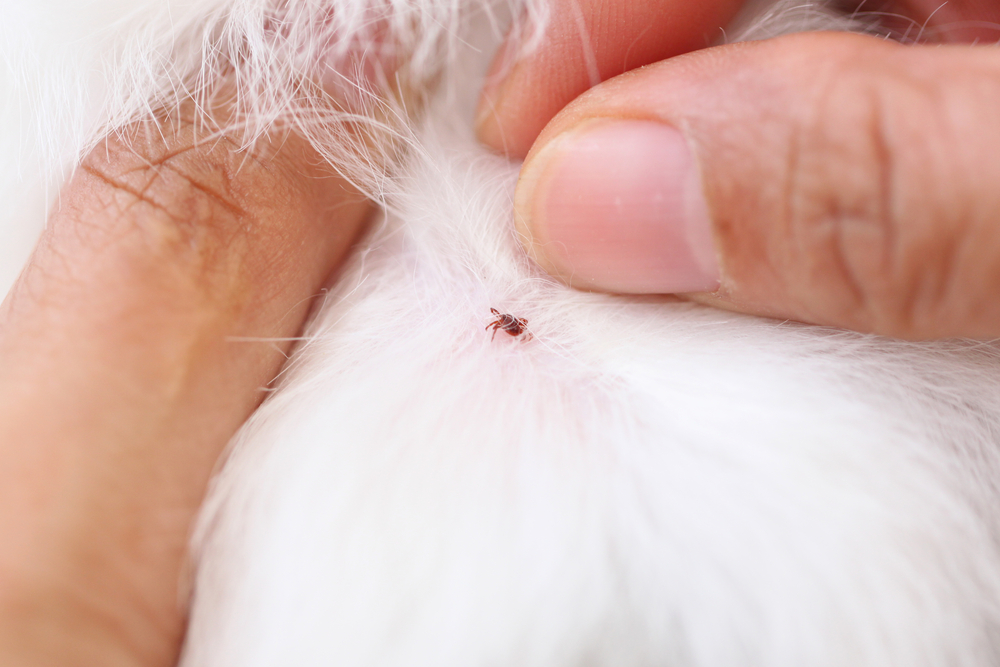
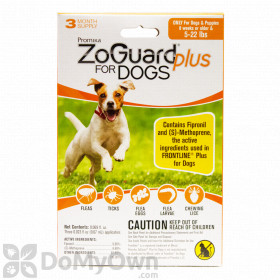
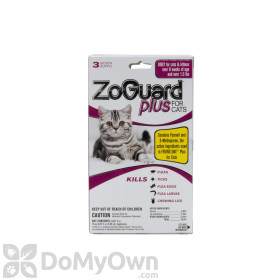
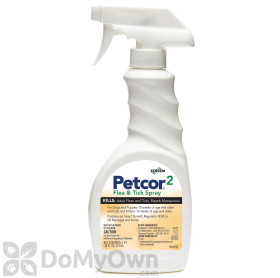
The best way to protect your pet from ticks is to put them on a monthly flea and tick preventative. Drops, sprays, tick collars, and preventative medications will also protect your pet. Be sure to read the product labels as some drops and sprays only last for a few days.
Inspect your pet often for ticks by feeling in their fur for bumps while visually inspecting them. Always give your pet an inspection after walking in the woods. And spray your pet with a repellent spray before venturing out.
Read our tick inspection guide to learn more about how to check your pet for ticks.
Products needed for Step 1



Indoor Tick Prevention
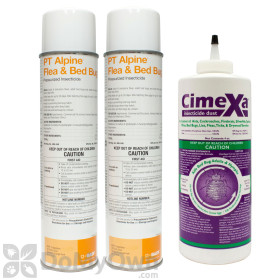
Regularly check your pets and yourself for ticks. Also, check around doors, windows, around baseboards, and in the folds, seams, tufts, arms, and backs of furniture. Remember, ticks like to climb, so high corners and moldings should be examined as well.
Pay special attention to your pet and yourself after camping or taking walks in the woods. Check your socks, behind your ears, and in your hair.
If you have carpets or rugs, be sure to vacuum at least once a week.
Products needed for Step 2
Outdoor Tick Prevention

Keep your yard as tick free as possible with these tips:
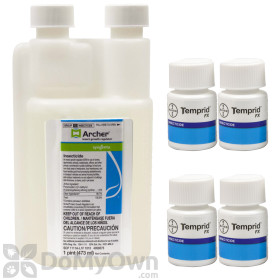
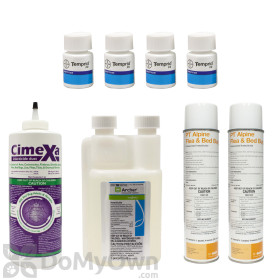
- Spray your yard once a month during tick season with an insecticide like Temprid FX as a preventative measure
- Trim back trees to allow as much sunlight into your yard as possible
- Keep grass short
- Remove as much yard debris, leaf litter, and wood piles as possible
- A clearly defined, well-manicured border between your yard and any wooded areas will reduce the chance of ticks entering your yard
- Adding wood mulch or pea gravel to this border will help deter ticks from crawling into the yard