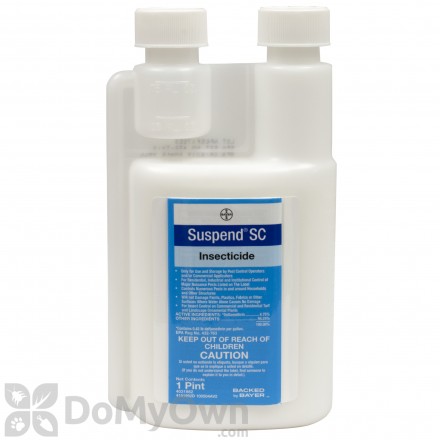
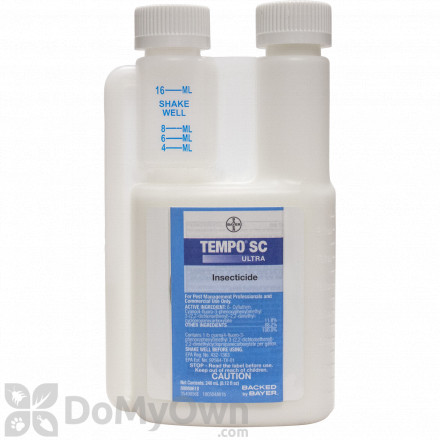
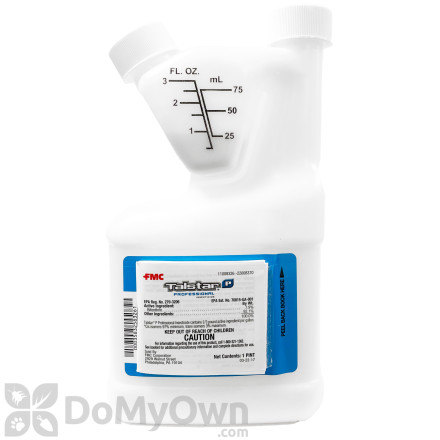
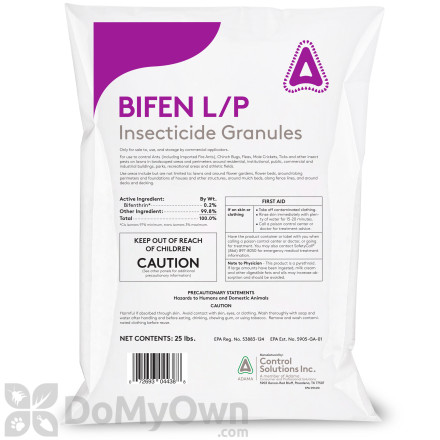
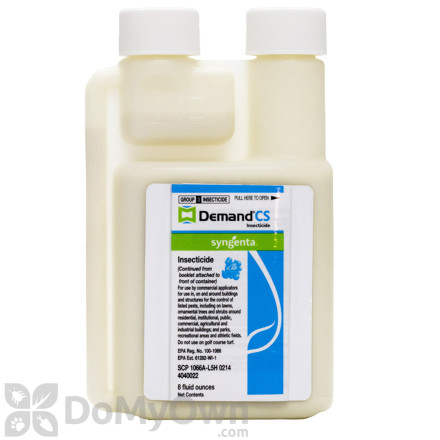
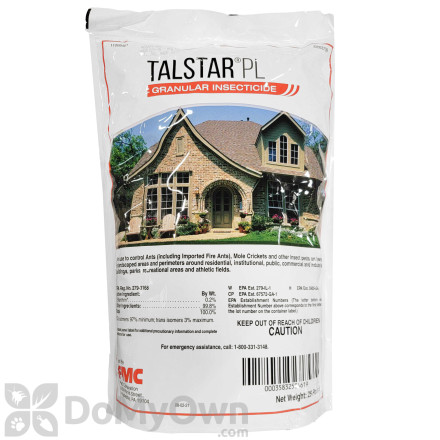
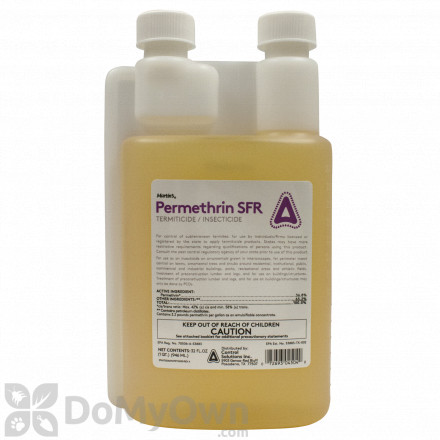
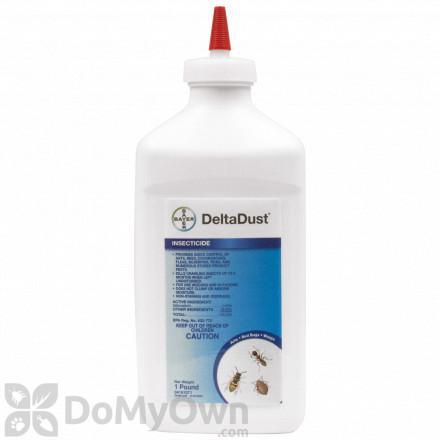
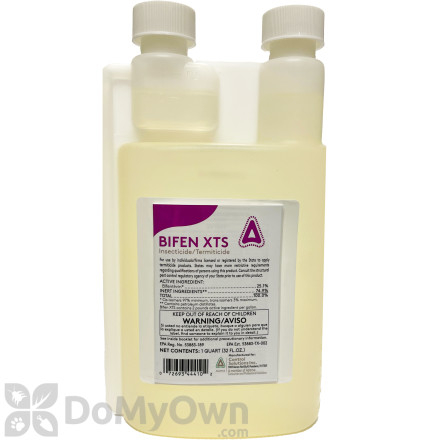
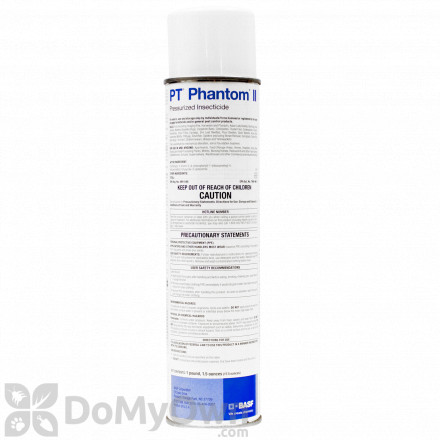
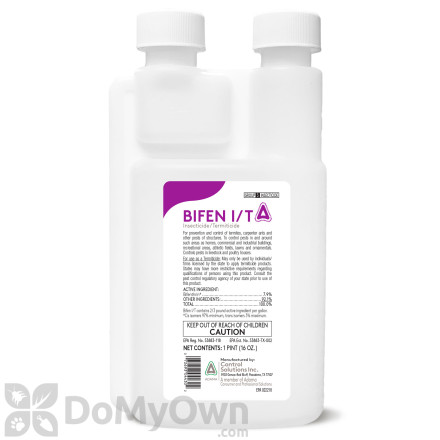
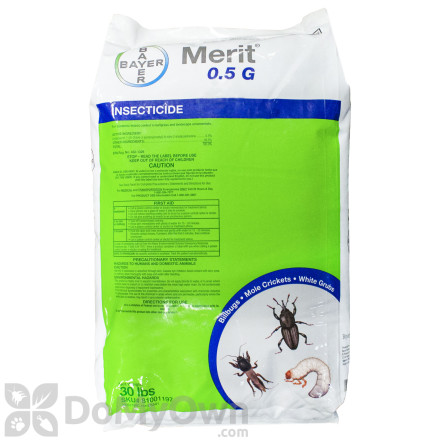
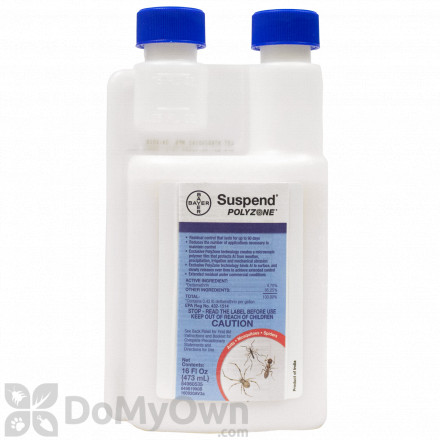
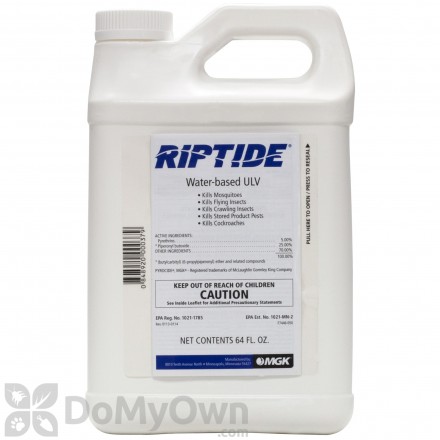
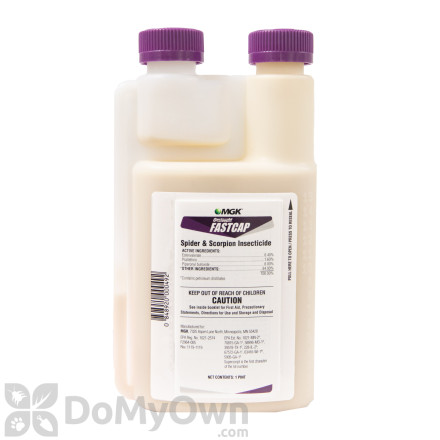
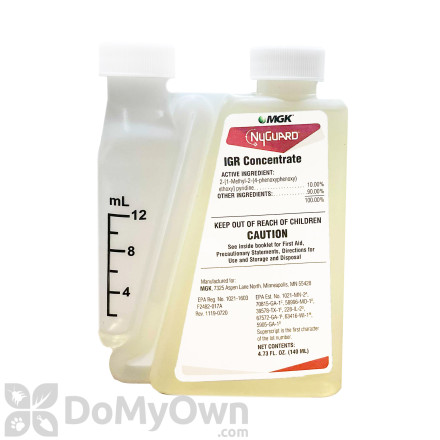
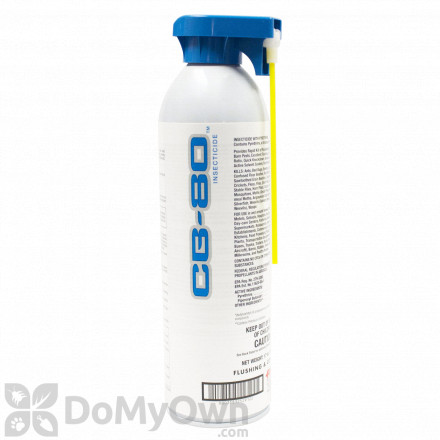
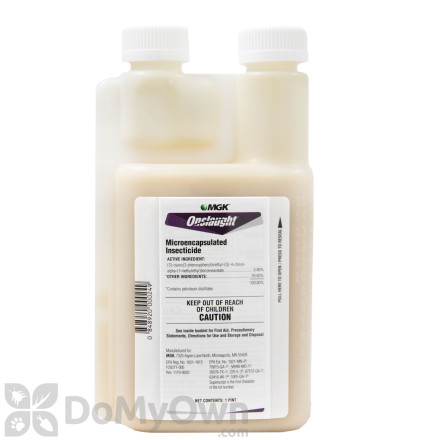
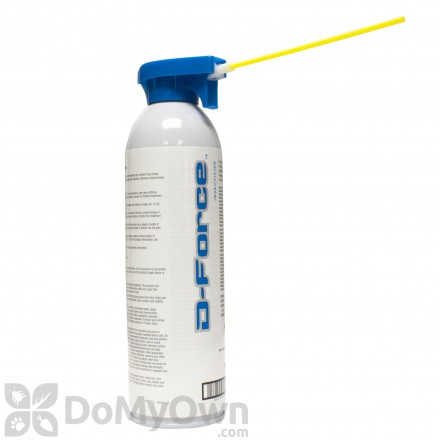
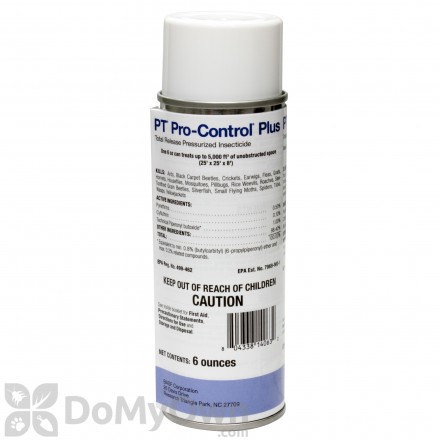
Weevils, also known as flour bugs and grain bugs, can cause damage in a wide range of habitats, from grain silos to household plants. There are many different species and lifecycles of weevils, but they can all be controlled with our weevil control products. Do it yourself using the same products the pros use to combat a weevil infestation and prevent further problems.
 (1104)
 (731)
(3188)
(277)
(392)
(330)
(731)
(3188)
(277)
(392)
(330)
 (221)
(533)
(446)
(309)
(478)
(321)
(385)
(208)
(1517)
(94)
(166)
(63)
(190)
(104)
(116)
(170)
(100)
(61)
(221)
(533)
(446)
(309)
(478)
(321)
(385)
(208)
(1517)
(94)
(166)
(63)
(190)
(104)
(116)
(170)
(100)
(61)
Many species respond well to beneficial nematodes and residual pesticides. However, these measures need to be applied at the proper time of year. Some species need control of adults, some of the larvae, and emergence and egg-laying times are crucial for treatment. Sometimes weevils wander into homes. They don’t cause any damage indoors (besides grain-invading species) and often just need to be vacuumed or swept up. You can use an aerosol spray to kill live adults and apply an insect growth regulator to inhibit juveniles to reproduce. Essentially, the only way you can know how to get rid of weevils is if you identify your weevil species.
In general, weevils are very small, about ¼ to ½ inch long. The body shape is similar for all species: they are light bulb shaped with “snouts” or nose-like protrusions from their head, and are usually a dark color. Larvae are grub-like in appearance. Some species, like black vine weevils, do not fly, but crawl from plant to plant or are transferred via people or animals. Often times you will be able to identify the weevil that is causing you problems based on where you find them. For example, if you are finding damage and weevils on spruce trees, white pine weevils are probably the culprits. Getting rid of weevils is dependent on the identification of the species.
Root weevils, including black vine weevils and strawberry root weevils, cause notching damage, while white pine weevils cause terminal growth to wilt and die. Some weevils invade stored grain in farms and even in home pantries, where people will find weevils in food. These bugs in flour or other pantry grains can cause problems in homes, and are part of the pantry pest group. For weevils this includes grain weevils, rice weevils, maize weevils, and bean weevils. Control measures are dependent on the species, as timing is usually a key component in all control measures. You can contact your local extension office to talk to the master gardener to help you identify the different species of flour bugs species and determine the proper time to begin control measures.
Can't find the product you are looking for? E-mail us and we'll get it for you!
We sell professional do it yourself pest control (diy), exterminator and
extermination insecticide, pesticide, chemical and bug killer treatment
products to spray, eliminate and exterminate pests.
Many of our products are not available in stores
such as Home Depot, Walmart or Lowes.

 & Up (112)